


 Popular Blog Posts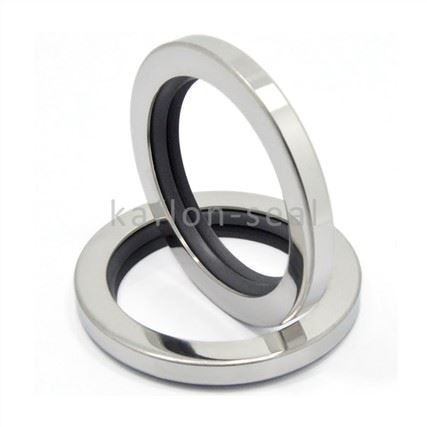


 Blog
BlogAs a supplier of plastic seals, I've witnessed firsthand the diverse challenges these components face in various environments. One of the most critical factors that can significantly impact the performance of plastic seals is exposure to ultraviolet (UV) radiation. In this blog, I'll delve into how plastic seals perform in UV - exposed environments, sharing insights based on our experiences and industry knowledge.
Understanding UV Radiation and Its Effects on Plastics
UV radiation is a part of the electromagnetic spectrum with wavelengths shorter than visible light. It can be divided into three categories: UVA (320 - 400 nm), UVB (280 - 320 nm), and UVC (100 - 280 nm). Fortunately, most UVC and a significant portion of UVB are absorbed by the Earth's atmosphere. However, UVA and a small amount of UVB still reach the Earth's surface and can have detrimental effects on plastics.
When plastic seals are exposed to UV radiation, several chemical and physical changes can occur. At the molecular level, UV energy can break the chemical bonds in the polymer chains that make up the plastic. This process, known as photodegradation, leads to a reduction in the molecular weight of the polymer. As a result, the plastic may become brittle, lose its flexibility, and develop cracks over time.
In addition to photodegradation, UV radiation can also cause discoloration of plastic seals. The color change is often due to the formation of chromophores (light - absorbing groups) in the polymer structure. This not only affects the aesthetic appearance of the seals but can also be an indication of underlying structural damage.
Performance of Different Types of Plastic Seals in UV - Exposed Environments
Engineering Plastic Drain Valve Disc
The Engineering Plastic Drain Valve Disc is a type of plastic seal commonly used in drainage systems. These discs are often made from engineering plastics such as polycarbonate (PC), polyamide (PA), or polyoxymethylene (POM).
Polycarbonate has relatively good UV resistance compared to some other plastics. It can maintain its mechanical properties, such as impact strength and transparency, for a certain period under UV exposure. However, prolonged exposure to UV radiation can still cause yellowing and a decrease in its impact resistance.
Polyamide, on the other hand, is more susceptible to UV degradation. UV radiation can cause the amide bonds in the polyamide structure to break, leading to a significant loss of strength and flexibility. To improve its UV resistance, polyamide seals are often treated with UV stabilizers during the manufacturing process.
POM is a highly crystalline plastic with excellent mechanical properties. However, it is also sensitive to UV radiation. UV exposure can cause POM to become brittle and develop surface cracks, which can compromise its sealing performance.
F270 UHMW - PE
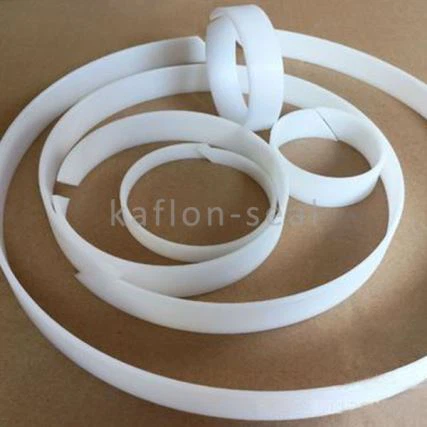
The F270 UHMW - PE (Ultra - High - Molecular - Weight Polyethylene) is a type of plastic seal known for its high abrasion resistance and low friction coefficient. UHMW - PE has relatively poor UV resistance. When exposed to UV radiation, the polymer chains in UHMW - PE can break, resulting in a decrease in its molecular weight and a loss of its mechanical properties.
To enhance the UV resistance of UHMW - PE seals, additives such as carbon black or UV stabilizers can be incorporated into the material. Carbon black acts as a UV absorber, protecting the polymer chains from UV radiation. UV stabilizers, on the other hand, work by scavenging free radicals generated during the photodegradation process, thereby slowing down the degradation rate.
T Seal Supplier China
Seals from T Seal Supplier China come in a variety of plastic materials, including silicone rubber and fluorocarbon rubber. Silicone rubber has good UV resistance due to its unique chemical structure. The silicon - oxygen bonds in silicone rubber are relatively stable under UV radiation, and it can maintain its elasticity and sealing performance for a long time in outdoor environments.
Fluorocarbon rubber, also known as Viton, is another material used for T - seals. It has excellent chemical resistance and high - temperature performance. In terms of UV resistance, fluorocarbon rubber is quite stable and can withstand long - term UV exposure without significant degradation.
Factors Affecting the UV Performance of Plastic Seals
Exposure Duration
The longer the plastic seals are exposed to UV radiation, the more severe the degradation will be. Even plastics with good UV resistance will eventually show signs of damage after extended exposure. For example, a plastic seal that is exposed to direct sunlight for several years may become completely brittle and lose its sealing function.


Intensity of UV Radiation
The intensity of UV radiation varies depending on the geographical location, time of day, and season. Areas closer to the equator generally receive higher levels of UV radiation than those at higher latitudes. Additionally, UV radiation is more intense during the summer months and around noon. Plastic seals used in regions with high UV intensity are more likely to experience rapid degradation.
Temperature
Temperature can also affect the UV performance of plastic seals. High temperatures can accelerate the chemical reactions involved in photodegradation. When plastic seals are exposed to both high UV radiation and high temperatures, the degradation process can be significantly accelerated. For example, a plastic seal used in a hot and sunny environment may degrade much faster than the same seal used in a cooler climate.
Strategies to Improve the UV Performance of Plastic Seals
Material Selection
Choosing the right plastic material is crucial for improving the UV performance of seals. As mentioned earlier, some plastics, such as silicone rubber and fluorocarbon rubber, have better UV resistance than others. When selecting a plastic material for a seal, consider the expected UV exposure conditions and the required performance of the seal.
Additives
Incorporating additives into the plastic material is an effective way to enhance its UV resistance. UV stabilizers, antioxidants, and carbon black are commonly used additives. UV stabilizers can absorb or dissipate UV energy, preventing it from breaking the polymer chains. Antioxidants can scavenge free radicals generated during the photodegradation process, slowing down the degradation rate. Carbon black acts as a physical barrier, absorbing UV radiation and protecting the polymer.
Coating
Applying a UV - resistant coating to the surface of the plastic seal can also provide an additional layer of protection. The coating can act as a shield, preventing UV radiation from reaching the underlying plastic material. There are various types of UV - resistant coatings available, such as acrylic coatings and polyurethane coatings.
Conclusion
In conclusion, the performance of plastic seals in UV - exposed environments is a complex issue that depends on many factors, including the type of plastic material, exposure duration, UV intensity, and temperature. As a plastic seal supplier, we understand the importance of providing high - quality seals that can withstand UV radiation.
By carefully selecting the appropriate plastic materials, incorporating additives, and applying protective coatings, we can improve the UV performance of our plastic seals. Whether you need Engineering Plastic Drain Valve Disc, F270 UHMW - PE, or seals from T Seal Supplier China, we can offer solutions tailored to your specific UV - exposure requirements.
If you are interested in our plastic seals and would like to discuss your procurement needs, please feel free to reach out. We are committed to providing you with the best products and services to meet your sealing challenges in UV - exposed environments.
References
- "Plastics in Automotive Applications" by A. J. Kinloch and R. J. Young
- "Polymer Degradation and Stability" journal articles on UV degradation of plastics
- "Handbook of Plastic Materials and Technology" edited by Irvin I. Rubin