


 Popular Blog Posts


 Blog
BlogTroubleshooting problems with hydraulic wiper seals is a crucial skill for anyone involved in the hydraulic industry. As a supplier of hydraulic wiper seals, I've encountered a wide range of issues over the years. In this blog post, I'll share some of the common problems with hydraulic wiper seals and how to troubleshoot them effectively.
Understanding Hydraulic Wiper Seals
Before we dive into troubleshooting, it's important to understand what hydraulic wiper seals are and what they do. Hydraulic wiper seals are designed to prevent contaminants such as dirt, dust, water, and debris from entering the hydraulic system. They are typically installed on the rod of a hydraulic cylinder and wipe the rod clean as it retracts into the cylinder. This helps to protect the internal components of the hydraulic system from damage and wear, ensuring its long - term performance and reliability.
Common Problems with Hydraulic Wiper Seals
1. Leakage
Leakage is one of the most common problems with hydraulic wiper seals. It can be caused by several factors, including improper installation, wear and tear, or damage to the seal.
- Improper Installation: If the wiper seal is not installed correctly, it may not form a proper seal around the rod. This can lead to gaps where fluid can leak out. To troubleshoot this issue, check the installation instructions and make sure that the seal is installed in the correct orientation and with the proper tools. The seal should be seated evenly in its groove and there should be no signs of twisting or pinching.
- Wear and Tear: Over time, the wiper seal can wear down due to friction with the rod. This can cause the seal to lose its ability to maintain a tight seal, resulting in leakage. To address this problem, inspect the seal regularly for signs of wear, such as thinning or cracking. If the seal is worn beyond a certain point, it should be replaced.
- Damage: Physical damage to the seal, such as cuts or tears, can also cause leakage. This can occur during installation, operation, or due to external factors like sharp objects. If you notice any damage to the seal, replace it immediately.
2. Contamination
Contamination is another major issue with hydraulic wiper seals. When contaminants enter the hydraulic system, they can cause damage to the internal components, such as the piston, rod, and valves.

- Inadequate Sealing: A poorly performing wiper seal may not be able to prevent contaminants from entering the system. This can be due to the factors mentioned above, such as wear and tear or improper installation. To troubleshoot this, ensure that the seal is in good condition and properly installed. You may also consider upgrading to a higher - quality seal if the current one is not providing adequate protection.
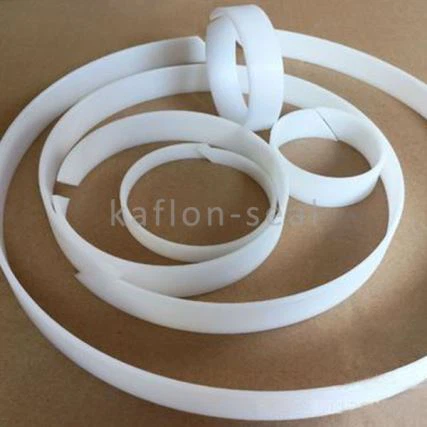
- Environmental Factors: In some environments, there may be a high concentration of contaminants. For example, in construction or mining applications, there is a lot of dust and dirt. In such cases, additional measures may be needed, such as using a pre - filter or a more robust wiper seal. Consider using seals like the Double Acting PTFE With Rubber Seal, which offers enhanced sealing performance and can better withstand harsh environments.
3. Excessive Friction
Excessive friction between the wiper seal and the rod can cause several problems, including increased energy consumption, reduced efficiency, and premature wear of the seal.
- Wrong Seal Material: The choice of seal material is crucial. If the material is too hard or has a high coefficient of friction, it can cause excessive friction. For example, some hard plastics may not be suitable for high - speed applications. To troubleshoot this, select a seal material that is appropriate for the operating conditions. Materials like PTFE Filled With Carbon Glyd Ring are known for their low friction properties and can be a good choice in many applications.
- Rod Surface Finish: A rough rod surface can also increase friction. Check the surface finish of the rod and make sure it is within the recommended specifications. If the rod is too rough, it may need to be polished or replaced.
Troubleshooting Steps
Step 1: Visual Inspection
The first step in troubleshooting any problem with hydraulic wiper seals is to conduct a visual inspection. Look for signs of leakage, wear, damage, or contamination. Check the installation of the seal to ensure it is correct. Pay attention to the condition of the rod as well, as a damaged or rough rod can affect the performance of the seal.
Step 2: Performance Testing
If the visual inspection does not reveal the problem, you may need to conduct performance testing. This can involve monitoring the hydraulic system for signs of abnormal behavior, such as changes in pressure, flow rate, or temperature. You can also use specialized equipment, such as pressure gauges and flow meters, to measure the performance of the system.
Step 3: Seal Replacement
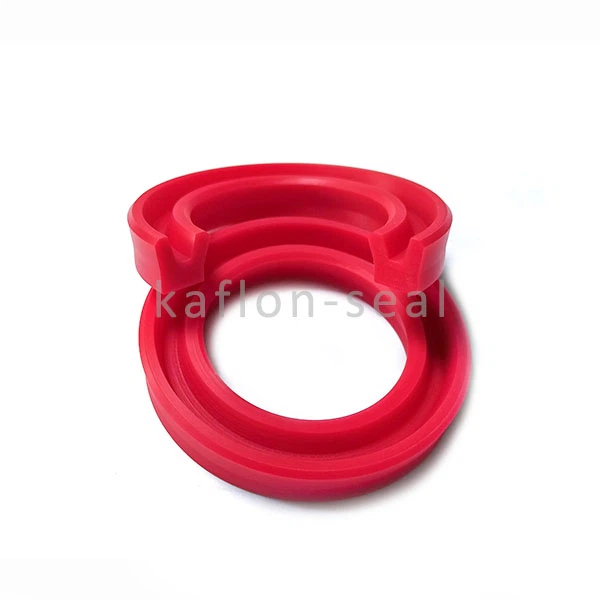
If the seal is found to be the cause of the problem, it should be replaced. When replacing the seal, make sure to use a high - quality replacement part that is compatible with the hydraulic system. Follow the installation instructions carefully to ensure proper installation. Consider using seals like Anti - ozone PU Seal for applications where ozone resistance is required.
Preventive Maintenance
Preventive maintenance is key to avoiding problems with hydraulic wiper seals. Here are some preventive measures you can take:
- Regular Inspections: Conduct regular inspections of the hydraulic system, including the wiper seals. Look for signs of wear, damage, or contamination. Early detection can help prevent more serious problems from occurring.
- Proper Lubrication: Ensure that the rod and the seal are properly lubricated. Lubrication can reduce friction and wear, extending the life of the seal.
- Clean Environment: Keep the hydraulic system in a clean environment as much as possible. Use filters to remove contaminants from the fluid and protect the system from external dirt and debris.
Conclusion
Troubleshooting problems with hydraulic wiper seals requires a systematic approach. By understanding the common problems, conducting thorough inspections, and taking preventive measures, you can ensure the reliable performance of your hydraulic system. As a supplier of hydraulic wiper seals, I'm committed to providing high - quality products and technical support to help you solve any issues you may encounter.
If you are facing problems with your hydraulic wiper seals or are looking for high - quality seals for your hydraulic system, I encourage you to reach out for a procurement discussion. We can offer you a wide range of seals to meet your specific needs and ensure the optimal performance of your hydraulic equipment.
References
- "Hydraulic Seals Handbook", published by a leading industry association.
- Technical documentation from seal manufacturers.
- Industry research papers on hydraulic system maintenance and troubleshooting.