


 Popular Blog Posts



 Blog
BlogTransporting Pom Guide Rings safely is a crucial aspect of our business as a supplier. These guide rings play a vital role in various industrial applications, and ensuring their safe arrival at the customer's end is of utmost importance. In this blog, I will share some key strategies and considerations for the safe transportation of Pom Guide Rings.
Understanding the Nature of Pom Guide Rings
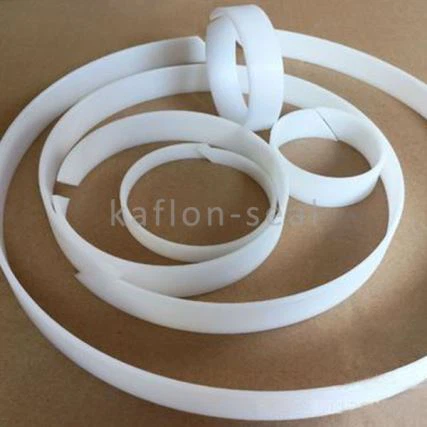
Before delving into the transportation methods, it's essential to understand the characteristics of Pom Guide Rings. Pom, or Polyoxymethylene, is a high - performance engineering plastic known for its excellent mechanical properties, such as high stiffness, low friction, and good dimensional stability. However, these guide rings can be sensitive to certain environmental factors and physical impacts during transit.
Packaging for Protection
Proper packaging is the first line of defense in ensuring the safe transportation of Pom Guide Rings.
Inner Packaging
- Anti - static Bags: Pom Guide Rings can generate static electricity, which may attract dust and contaminants. Using anti - static bags helps prevent static build - up and keeps the rings clean. These bags are made of materials that dissipate static charges, protecting the surface of the guide rings.
- Foam Inserts: To prevent the guide rings from moving around and colliding with each other during transit, foam inserts are used. The foam can be custom - cut to fit the shape and size of the guide rings, providing a snug and protective environment.
Outer Packaging
- Cardboard Boxes: Sturdy cardboard boxes are commonly used as outer packaging. They should be of appropriate size to avoid excessive movement of the inner packages. The boxes should also be labeled clearly with information such as the product name, quantity, and handling instructions.
- Pallets: For larger shipments, pallets are used to group the cardboard boxes together. Pallets make it easier to handle the goods using forklifts and other material - handling equipment. They also provide additional stability during transportation.
Choosing the Right Shipping Method
The choice of shipping method depends on several factors, including the destination, the quantity of the Pom Guide Rings, and the urgency of the delivery.


Air Freight
- Advantages: Air freight is the fastest shipping option. It is suitable for urgent orders or when the destination is far away. The shorter transit time reduces the risk of damage due to long - term exposure to environmental factors.
- Disadvantages: Air freight is generally more expensive than other shipping methods. There are also weight and size restrictions, which may limit the quantity of guide rings that can be shipped at once.
Sea Freight
- Advantages: Sea freight is a cost - effective option for large - volume shipments. It can handle a large quantity of Pom Guide Rings and is suitable for non - urgent orders.
- Disadvantages: Sea freight has a longer transit time, which increases the risk of damage due to prolonged exposure to moisture, temperature variations, and rough handling during loading and unloading. However, proper packaging can mitigate these risks.
Road Freight
- Advantages: Road freight is flexible and can be used for both short - and long - distance deliveries. It allows for door - to - door service, which is convenient for customers.
- Disadvantages: Road conditions can vary, and there is a risk of damage due to vibrations and sudden stops during transit. However, careful selection of the carrier and proper packaging can minimize these risks.
Handling and Storage during Transit
Proper handling and storage during transit are also critical for the safe transportation of Pom Guide Rings.
Handling
- Trained Personnel: The personnel involved in loading and unloading the Pom Guide Rings should be trained to handle them with care. They should be aware of the fragility of the guide rings and follow proper handling procedures.
- Avoiding Rough Handling: Rough handling, such as dropping or throwing the packages, can cause damage to the guide rings. Special care should be taken when using mechanical handling equipment to ensure that the packages are not crushed or damaged.
Storage
- Temperature and Humidity Control: Pom Guide Rings are sensitive to temperature and humidity variations. During transit, they should be stored in a controlled environment as much as possible. For example, if sea freight is used, containers with temperature and humidity control systems can be considered.
- Avoiding Stacking Pressure: Excessive stacking pressure can deform the guide rings. When storing the packages, they should be stacked in a way that distributes the weight evenly and avoids putting too much pressure on the bottom packages.
Quality Control before and after Transit
Quality control is an important step in ensuring the safe transportation of Pom Guide Rings.
Pre - transit Inspection
- Visual Inspection: Before shipping, each Pom Guide Ring should be inspected visually for any signs of damage, such as scratches, cracks, or deformations. Only undamaged guide rings should be packed and shipped.
- Dimensional Inspection: The dimensions of the guide rings should be checked to ensure that they meet the required specifications. Any deviations can affect the performance of the guide rings in their intended applications.
Post - transit Inspection
- Upon Arrival: When the Pom Guide Rings arrive at the customer's end, a post - transit inspection should be conducted. This helps to identify any damage that may have occurred during transit. If any damage is found, it can be reported to the shipping carrier and appropriate action can be taken.
Related Products
We also offer other related products such as Wear - resistant Guide Ring, POM Hydraulic Wiper, and Phenolic Cloth Hydraulic Wiper. These products are also carefully packaged and transported using similar safe - handling methods to ensure their quality and performance.
Conclusion
Transporting Pom Guide Rings safely requires a comprehensive approach that includes proper packaging, choosing the right shipping method, careful handling and storage during transit, and quality control before and after shipping. By following these strategies, we can ensure that our customers receive high - quality Pom Guide Rings that meet their expectations.
If you are interested in purchasing Pom Guide Rings or any of our other products, please feel free to contact us for more information and to start a procurement negotiation. We are committed to providing you with the best products and services.
References
- "Plastic Materials in Engineering" by Bill R. Turner
- "Shipping and Logistics Handbook" by John J. Coyle, Edward J. Bardi, and C. John Langley Jr.