


 Popular Blog Posts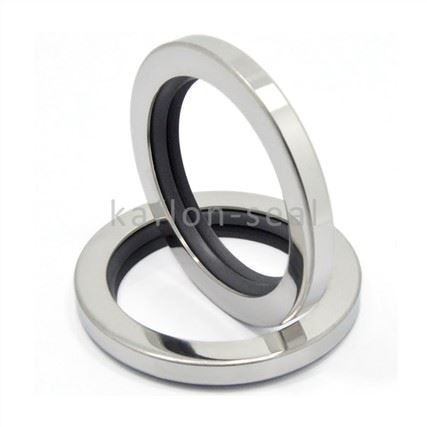


 Blog
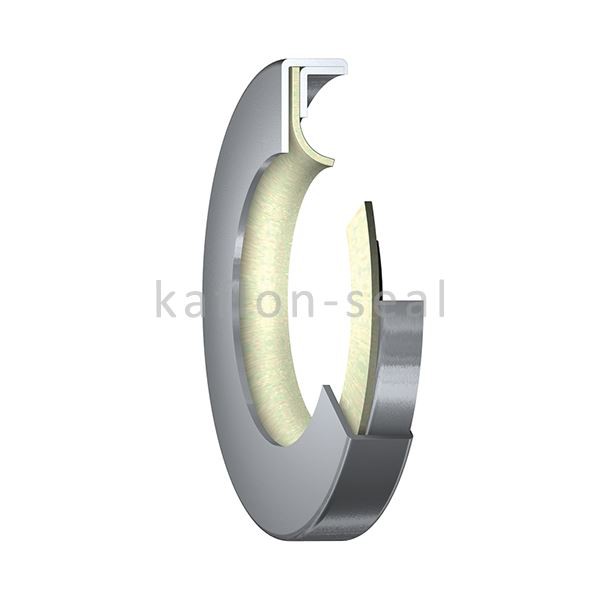
BlogPreventing leakage in rotary shaft seals is a crucial concern for many industries. As a supplier of Rotary Shaft Seals, I've had the chance to work with a wide range of customers facing all sorts of sealing challenges. In this blog, I'll share some practical tips on how to prevent leakage in rotary shaft seals based on my experience in the field.
First off, let's understand what causes seal leakage. One of the most common reasons is improper installation. If the seal isn't installed correctly, it won't be able to create an effective barrier against fluid or gas leakage. This can happen if the seal is not centered properly on the shaft, or if it's installed with too much or too little force. For example, if you install a seal with excessive force, it can cause the seal lip to deform, leading to premature wear and leakage. On the other hand, if the force is too little, the seal may not make proper contact with the shaft, allowing fluids to escape.
Another major cause of leakage is wear and tear. Over time, the constant rotation of the shaft and the contact with the seal can cause the seal material to degrade. This is especially true in applications where the shaft operates at high speeds or under high pressures. The friction between the shaft and the seal can generate heat, which can further accelerate the wear of the seal material. Also, exposure to harsh chemicals or abrasive particles in the fluid can damage the seal, leading to leakage.
To prevent leakage, proper installation is key. Before installing the seal, make sure the shaft and the housing are clean and free of any debris or burrs. Any small particles or rough edges can damage the seal during installation and affect its performance. Use the right installation tools to ensure that the seal is installed evenly and at the correct depth. It's also important to follow the manufacturer's installation instructions carefully. These instructions are designed to ensure that the seal is installed in the best possible way to prevent leakage.
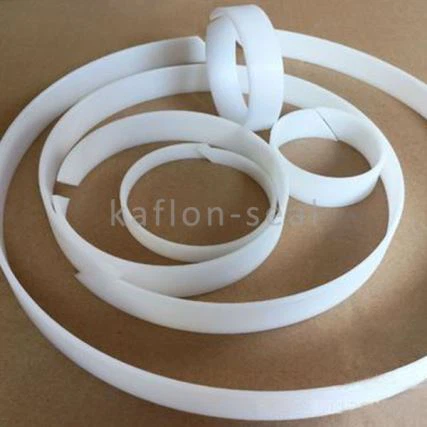
Selecting the right seal material is also crucial. Different applications require different types of seal materials. For example, in applications where the fluid is corrosive, you'll need a seal material that is resistant to corrosion. PTFE (Polytetrafluoroethylene) is a popular choice for many applications because of its excellent chemical resistance and low friction coefficient. You can find more information about Friction Coefficients PTFE Oil Seal Seal on our website. PTFE seals can withstand a wide range of temperatures and pressures, making them suitable for many industrial applications.
In applications where the equipment is used in a vacuum environment, a Vacuum Operation PTFE Stainless Oil Seal might be the best option. These seals are designed to maintain a tight seal even under vacuum conditions, preventing air or fluid from leaking into or out of the system.
For screw compressors, a Screw Comprosser PTFE Oil Seal is specifically engineered to meet the unique requirements of these machines. Screw compressors operate at high speeds and generate a lot of heat, so the seal needs to be able to withstand these conditions without leaking.
Regular maintenance and inspection are also essential for preventing leakage. Check the seals regularly for signs of wear, such as cracks, tears, or excessive deformation. If you notice any of these signs, it's important to replace the seal as soon as possible to prevent further leakage. You can also monitor the performance of the seal by checking for any changes in the fluid levels or pressure in the system. If there are any sudden drops in pressure or increases in fluid consumption, it could be a sign of a leaking seal.
Proper lubrication can also play a big role in preventing leakage. Lubricating the seal can reduce friction between the shaft and the seal, which in turn can reduce wear and heat generation. However, it's important to use the right type of lubricant. Some lubricants may react with the seal material, causing it to degrade. Make sure to choose a lubricant that is compatible with the seal material and the fluid in the system.
In addition, controlling the operating conditions can help prevent leakage. Try to keep the operating temperature and pressure within the recommended range for the seal. High temperatures can cause the seal material to expand and lose its elasticity, while high pressures can put extra stress on the seal. If possible, use cooling or pressure control systems to maintain stable operating conditions.
In conclusion, preventing leakage in rotary shaft seals requires a combination of proper installation, the right seal material, regular maintenance, and control of operating conditions. By following these tips, you can significantly reduce the risk of leakage and ensure the smooth operation of your equipment.
If you're facing sealing challenges or are interested in our Rotary Shaft Seals, don't hesitate to reach out for a free consultation and quote. We're here to help you find the best sealing solutions for your specific needs. Our team of experts has years of experience in the industry and can provide you with personalized advice based on your application requirements.
References

- Grover, B. (2007). Mechanical and Machine Design. McGraw - Hill Education.
- Buckingham, E. (1949). Handbook of Lubrication. Reinhold Publishing Corporation.