


 Popular Blog Posts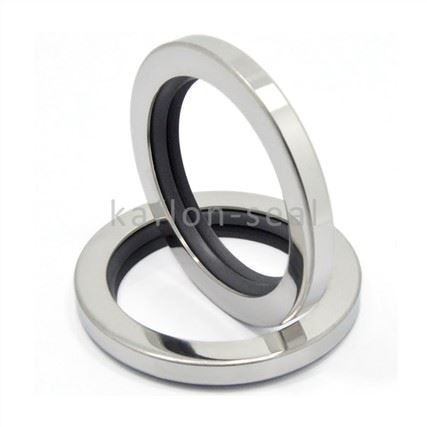


 Blog
BlogAs a supplier of Rotary Shaft Seals, I understand the critical importance of preventing contamination during the operation of these seals. Contamination can lead to premature wear, reduced performance, and even failure of the seals, which in turn can cause significant problems in the machinery they are installed in. In this blog post, I will share some effective strategies and best practices to prevent contamination of rotary shaft seals during operation.
Understanding the Sources of Contamination
Before we can effectively prevent contamination, it's essential to understand where it comes from. There are several common sources of contamination in rotary shaft seal applications:
- External Particles: Dust, dirt, sand, and other debris from the surrounding environment can enter the seal area. For example, in industrial settings, manufacturing processes may generate fine particles that can find their way into the seals.
- Lubricant Contamination: Impurities in the lubricant, such as water, oxidation by - products, or metal particles from wear, can contaminate the seal. If the lubricant is not properly maintained, these contaminants can accumulate and damage the seal.
- Internal Wear Debris: As the shaft rotates, wear can occur on the shaft surface and the seal lips. The resulting metal particles or seal material debris can contaminate the seal and accelerate further wear.
Selecting the Right Seal Material
One of the first steps in preventing contamination is choosing the appropriate seal material. Different materials have different resistance to contaminants and environmental conditions.
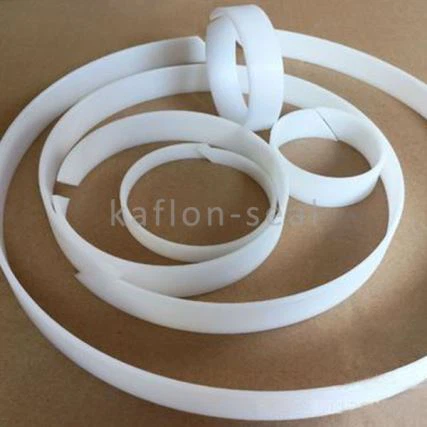
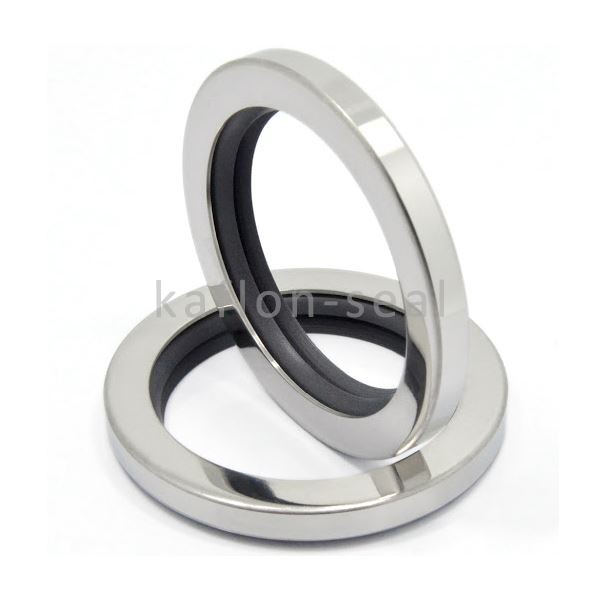
- PTFE (Polytetrafluoroethylene) Seals: PTFE is a popular choice for rotary shaft seals due to its excellent chemical resistance and low friction coefficient. Double Lips PTFE Oil Seal offers enhanced sealing performance and is highly resistant to a wide range of chemicals and contaminants. It can withstand high temperatures and pressures, making it suitable for harsh operating environments.
- Rotating Motions PTFE Shaft Seals: These seals are specifically designed for rotating applications. The PTFE material provides a smooth surface that reduces friction and wear, while also preventing the ingress of contaminants. You can find more information about Rotating Motions PTFE Shaft Seals on our website.
- Medical Equipment Rotary PTFE POB Oil Seal: In medical equipment applications, where cleanliness and sterility are crucial, Medical Equipment Rotary PTFE POB Oil Seal is an ideal choice. It is designed to prevent the contamination of sensitive medical components and meet the strict requirements of the medical industry.
Proper Installation and Alignment
Proper installation and alignment of the rotary shaft seal are essential to prevent contamination.
- Clean Installation Environment: Before installing the seal, ensure that the installation area is clean and free of debris. Use a clean, lint - free cloth to wipe the shaft and the housing. Any particles left in the installation area can cause damage to the seal during installation and operation.
- Correct Installation Tools: Use the appropriate installation tools to avoid damaging the seal. Improper tools can cause cuts or tears in the seal, which can lead to contamination. Follow the manufacturer's installation instructions carefully.
- Shaft and Housing Alignment: Misalignment between the shaft and the housing can cause uneven wear on the seal lips and allow contaminants to enter. Ensure that the shaft is properly aligned with the housing within the specified tolerance. Use alignment tools if necessary to achieve accurate alignment.
Maintaining a Clean Lubrication System
A clean lubrication system is crucial for preventing contamination of rotary shaft seals.
- Regular Lubricant Changes: Follow a regular lubricant change schedule based on the operating conditions and the manufacturer's recommendations. Over time, lubricants can become contaminated with wear debris, water, and other impurities. Changing the lubricant at the appropriate intervals helps to keep the seal clean and functioning properly.
- Lubricant Filtration: Use high - quality lubricant filters to remove contaminants from the lubricant. Filters can trap particles of various sizes, preventing them from reaching the seal. Regularly inspect and replace the filters to ensure their effectiveness.
- Proper Lubricant Storage: Store the lubricant in a clean, dry place to prevent contamination before it is used. Containers should be sealed tightly to prevent the entry of dust and moisture.
Implementing Environmental Protection Measures
In some cases, additional environmental protection measures can be taken to prevent contamination of rotary shaft seals.

- Seal Guards: Install seal guards or shields around the seal to protect it from external debris. These guards can be made of metal, plastic, or rubber and are designed to deflect dust, dirt, and other particles away from the seal.
- Enclosures: If possible, enclose the machinery to create a controlled environment. This can help to reduce the amount of external contaminants that reach the seal. Enclosures can also provide protection against moisture and other environmental factors.
- Air Filtration Systems: In industrial settings, air filtration systems can be used to remove dust and other particles from the air. This can help to reduce the amount of airborne contaminants that can enter the seal area.
Monitoring and Inspection
Regular monitoring and inspection of the rotary shaft seals are essential to detect and prevent contamination.
- Visual Inspection: Periodically inspect the seals for signs of wear, damage, or contamination. Look for cracks, tears, or excessive wear on the seal lips. Check for the presence of contaminants such as dirt, debris, or discolored lubricant.
- Performance Monitoring: Monitor the performance of the machinery to detect any changes that may indicate seal contamination. For example, increased vibration, noise, or temperature can be signs of a problem with the seal. If any abnormalities are detected, take immediate action to investigate and resolve the issue.
- Lubricant Analysis: Regularly analyze the lubricant for contaminants and wear particles. This can provide valuable information about the condition of the seal and the overall health of the machinery. Lubricant analysis can detect early signs of wear and contamination, allowing for proactive maintenance.
Conclusion
Preventing contamination of rotary shaft seals during operation is a multi - faceted process that requires careful consideration of seal material selection, installation, lubrication, environmental protection, and monitoring. By following the strategies and best practices outlined in this blog post, you can significantly reduce the risk of contamination and ensure the long - term performance and reliability of your rotary shaft seals.
If you are in the market for high - quality rotary shaft seals or need more information about preventing contamination, please feel free to contact us. Our team of experts is ready to assist you in selecting the right seals for your specific applications and providing you with the support you need to keep your machinery running smoothly.
References
- "Sealing Technology Handbook" by John H. Birk, McGraw - Hill
- "Rotary Shaft Seals: Design, Materials, and Applications" by David Croll, Elsevier
- Manufacturer's technical documentation for rotary shaft seals