


 Popular Blog Posts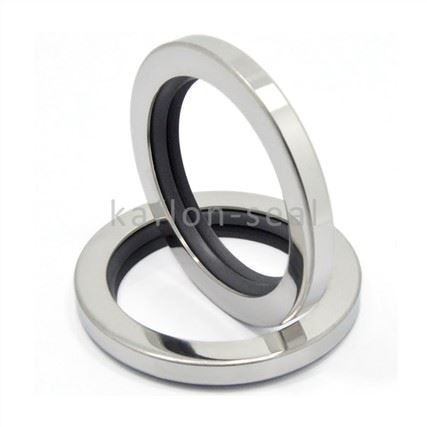


 Blog
BlogHey there, fellow industry enthusiasts! I'm a supplier of hydraulic rod seals, and today I want to dive into a question that often comes up: Does a hydraulic rod seal require maintenance?
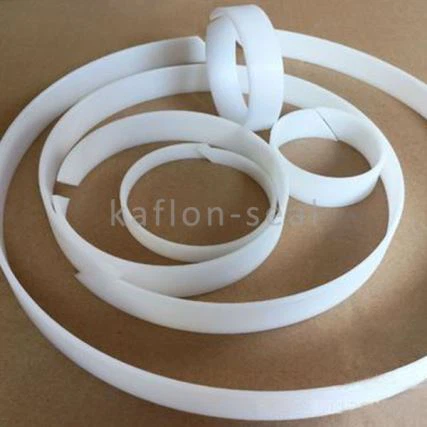
First off, let's quickly understand what a hydraulic rod seal is. Hydraulic rod seals are crucial components in hydraulic systems. They prevent the leakage of hydraulic fluid from the cylinder and keep contaminants out, ensuring the smooth and efficient operation of the machinery. There are different types of hydraulic rod seals, like the Double Acting Rod Seal, Single Acting Rod Seal, and Linear Rod Seal. Each type has its own unique features and applications, but they all serve the same fundamental purpose of sealing.
Now, back to the main question: Does a hydraulic rod seal require maintenance? The short answer is yes, but it's a bit more nuanced than that.
Why Maintenance is Necessary
One of the primary reasons hydraulic rod seals need maintenance is due to wear and tear. Over time, as the rod moves back and forth within the cylinder, the seal is constantly in contact with it. This friction can cause the seal material to gradually wear down. If left unchecked, the seal may start to leak hydraulic fluid, which can lead to a whole host of problems.
Leaking hydraulic fluid not only means a loss of efficiency in the hydraulic system but can also be a safety hazard. Hydraulic systems often operate under high pressure, and a leak can result in sudden drops in pressure, which might cause unexpected movements in the machinery. Moreover, the leaked fluid can contaminate the surrounding environment, leading to potential environmental issues and additional cleanup costs.
Another factor that affects the lifespan of a hydraulic rod seal is the quality of the hydraulic fluid. Contaminants in the fluid, such as dirt, metal particles, or water, can accelerate the wear of the seal. These contaminants can act like abrasives, scratching the surface of the seal and reducing its effectiveness. So, maintaining the cleanliness of the hydraulic fluid is an important part of seal maintenance.


How to Maintain Hydraulic Rod Seals
The first step in maintaining hydraulic rod seals is regular inspection. You should visually check the seals for any signs of damage, such as cracks, cuts, or excessive wear. Look for any signs of fluid leakage around the seal area. If you notice any of these issues, it's a good idea to replace the seal as soon as possible to prevent further damage to the system.
Fluid maintenance is also crucial. Make sure to use high - quality hydraulic fluid that is compatible with the seal material. Regularly change the fluid according to the manufacturer's recommendations. You can also use filters in the hydraulic system to remove contaminants from the fluid. This will not only extend the life of the seal but also improve the overall performance of the hydraulic system.
Proper installation is another key aspect. When installing a new hydraulic rod seal, follow the manufacturer's instructions carefully. Incorrect installation can cause the seal to be misaligned or damaged, which will significantly reduce its lifespan. Make sure the seal is clean and free of any debris before installation. Use the right tools and techniques to ensure a proper fit.
Frequency of Maintenance
The frequency of maintenance depends on several factors, such as the operating conditions of the hydraulic system, the type of machinery, and the quality of the seal. In general, if the system operates in a harsh environment, such as high temperatures, high pressures, or a dirty environment, more frequent maintenance is required.
For systems that operate under normal conditions, a visual inspection of the seals can be done monthly, while fluid changes might be needed every few months or as recommended by the manufacturer. However, if the system is used intensively, like in heavy - duty industrial applications, you may need to inspect the seals weekly and change the fluid more often.
Benefits of Regular Maintenance
Regular maintenance of hydraulic rod seals offers several benefits. Firstly, it helps to prevent costly breakdowns. By replacing a worn - out seal before it fails completely, you can avoid expensive repairs and downtime. In an industrial setting, downtime can result in lost production and revenue, so preventing breakdowns is crucial.
Secondly, it improves the efficiency of the hydraulic system. A well - maintained seal ensures that the hydraulic fluid is contained within the system, allowing it to operate at its optimal pressure and performance. This means less energy is wasted, and the machinery can work more effectively.
Finally, regular maintenance extends the lifespan of the hydraulic rod seal. By taking good care of the seal, you can get more use out of it, which reduces the overall cost of ownership. You won't have to replace the seals as often, saving both time and money.
Conclusion
So, to sum it up, yes, hydraulic rod seals do require maintenance. It's an essential part of keeping your hydraulic system running smoothly and safely. By following the maintenance tips I've mentioned, such as regular inspections, fluid maintenance, and proper installation, you can ensure the longevity and performance of your hydraulic rod seals.
If you're in the market for high - quality hydraulic rod seals, whether it's a Double Acting Rod Seal, Single Acting Rod Seal, or Linear Rod Seal, I'm here to help. I offer a wide range of seals that are designed to meet your specific needs. If you have any questions or want to discuss your requirements, don't hesitate to reach out. Let's work together to keep your hydraulic systems in top shape!
References
- Manufacturer's manuals for hydraulic rod seals
- Industry standards for hydraulic system maintenance
- Technical papers on hydraulic seal technology