


 Popular Blog Posts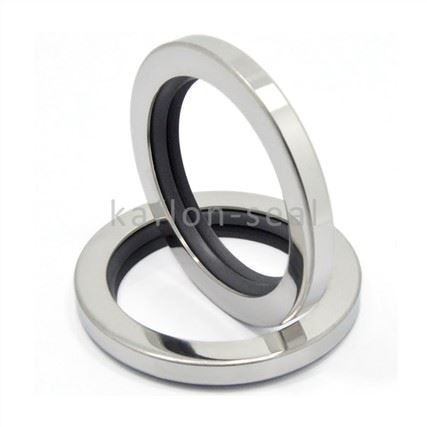



 Blog
BlogDo rotary shaft seals require lubrication? That's a question I get asked a lot as a supplier of Rotary Shaft Seals. In this blog, I'll dive into this topic and share my insights based on years of experience in the industry.

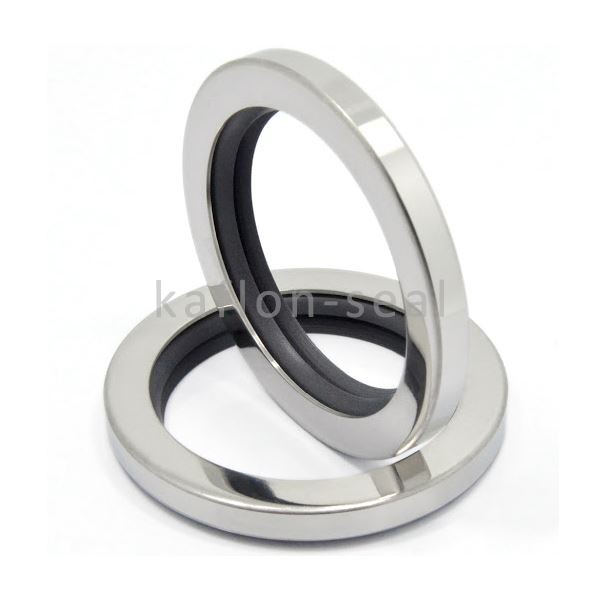
Let's start by understanding what rotary shaft seals are. These seals are crucial components in many mechanical systems. They're designed to prevent the leakage of fluids, like oil or grease, along a rotating shaft. They also keep out contaminants such as dust, dirt, and water, which can damage the machinery. There are different types of rotary shaft seals, like the Rotating Motions PTFE Shaft Seals, Double Lips PTFE Oil Seal, and Screw Comprosser PTFE Oil Seal. Each type has its own unique features and applications.
Now, back to the main question: do they need lubrication? Well, the answer isn't a simple yes or no. It depends on several factors.
Factors Affecting the Need for Lubrication
1. Material of the Seal
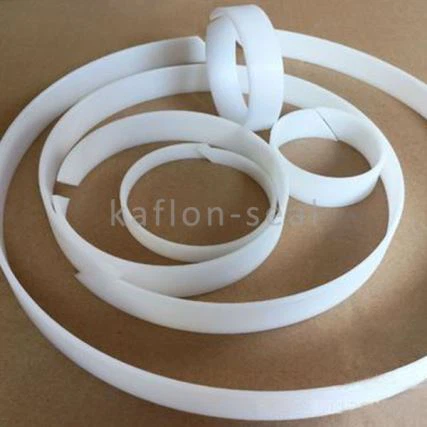
The material of the rotary shaft seal plays a huge role. Some materials, like PTFE (Polytetrafluoroethylene), have excellent self - lubricating properties. PTFE has a low coefficient of friction, which means it can reduce the amount of heat generated during the rotation of the shaft. This self - lubrication ability allows PTFE seals to operate with less external lubrication in many cases. For example, our Rotating Motions PTFE Shaft Seals are made of high - quality PTFE and can function well with minimal lubrication in certain environments.
On the other hand, seals made of rubber or elastomers usually require more lubrication. These materials have higher friction coefficients compared to PTFE. Without proper lubrication, the rubber seals can wear out quickly due to the heat and friction generated during shaft rotation. The lubricant forms a thin film between the seal and the shaft, reducing the direct contact and thus minimizing wear.
2. Operating Conditions
The environment in which the rotary shaft seal operates is another important factor. In high - speed applications, the need for lubrication is often greater. At high speeds, the friction between the seal and the shaft can cause significant heat build - up. Lubrication helps to dissipate this heat and prevent the seal from overheating and losing its sealing properties.
Similarly, in high - pressure applications, lubrication is crucial. The high pressure can increase the contact force between the seal and the shaft, leading to more friction. A good lubricant can reduce this friction and ensure that the seal can maintain its integrity under pressure.
In dirty or dusty environments, lubrication can also act as a barrier against contaminants. It helps to flush out any dirt or debris that might come into contact with the seal, protecting it from damage.
3. Shaft Surface Finish
The smoothness of the shaft surface affects the need for lubrication. A rough shaft surface will cause more friction against the seal, increasing the wear and tear. In such cases, lubrication is necessary to create a smooth interface between the seal and the shaft. A well - lubricated seal can adapt better to minor irregularities on the shaft surface and still provide an effective seal.
Benefits of Lubrication for Rotary Shaft Seals
1. Reduced Friction and Wear
As mentioned earlier, lubrication forms a protective film between the seal and the shaft. This film reduces the direct contact and friction, which in turn minimizes wear on the seal. A seal that wears out slowly will have a longer service life, saving you money on replacements.
2. Heat Dissipation
Friction generates heat, and excessive heat can damage the seal material. Lubrication helps to carry away the heat generated during operation, keeping the seal at a safe temperature. This is especially important in high - speed or high - load applications.
3. Improved Sealing Performance
A well - lubricated seal can conform better to the shaft surface, providing a more effective seal. It can prevent fluid leakage more efficiently, which is the primary function of a rotary shaft seal.
When Lubrication Might Not Be Necessary
There are some situations where lubrication may not be required or can be minimized. For instance, in some low - speed, low - load applications, seals made of self - lubricating materials like PTFE can operate without additional lubrication. Also, in some clean and dry environments, where there is no risk of contamination and the operating conditions are mild, the need for lubrication is reduced.
How to Lubricate Rotary Shaft Seals
If lubrication is needed, it's important to do it correctly. First, choose the right lubricant. The lubricant should be compatible with the seal material. For example, some lubricants may react with rubber seals and cause them to swell or degrade.
Apply the lubricant evenly on the seal and the shaft surface. Make sure to cover the entire contact area. You can use a brush or a spray to apply the lubricant, depending on the type of lubricant and the application.
Conclusion
So, do rotary shaft seals require lubrication? It all boils down to the material of the seal, the operating conditions, and the shaft surface finish. While some seals, especially those made of PTFE, can operate with minimal lubrication in certain situations, others, like rubber seals, usually need more lubrication. Understanding these factors will help you make the right decision for your specific application.
If you're still not sure whether your rotary shaft seals need lubrication or which type of seal is best for your needs, don't hesitate to reach out. We're here to help you make the most informed choice. Whether you're looking for Rotating Motions PTFE Shaft Seals, Double Lips PTFE Oil Seal, or Screw Comprosser PTFE Oil Seal, we've got a wide range of high - quality products to meet your requirements. Contact us today to start the procurement process and ensure your machinery runs smoothly with the right rotary shaft seals.
References
- Brown, R. A. (2015). Handbook of Sealing Technology. Elsevier.
- Jones, T. B. (2018). Mechanical Seals: Principles and Applications. CRC Press.