


 Popular Blog Posts



 Blog
BlogDo PTFE Guide Rings require special tools for installation? This is a question that often arises among those in the hydraulic and mechanical industries. As a supplier of PTFE Guide Rings, I've encountered this query numerous times from customers and professionals alike. In this blog, we'll delve into the details of PTFE Guide Ring installation, exploring whether special tools are necessary and what factors influence this requirement.
Understanding PTFE Guide Rings
Before we discuss the installation process, it's essential to understand what PTFE Guide Rings are and their significance. PTFE, or polytetrafluoroethylene, is a synthetic fluoropolymer known for its excellent chemical resistance, low friction coefficient, and high temperature tolerance. These properties make PTFE an ideal material for guide rings in hydraulic cylinders and other mechanical applications.
Guide rings play a crucial role in guiding the piston or rod within a cylinder, preventing metal-to-metal contact and reducing wear and tear. They also help maintain proper alignment, ensuring smooth and efficient operation of the hydraulic system. PTFE Guide Rings are particularly popular due to their superior performance characteristics, such as self-lubrication and resistance to abrasion.
Factors Affecting the Need for Special Tools
The requirement for special tools during the installation of PTFE Guide Rings depends on several factors, including the design of the guide ring, the size and shape of the cylinder, and the specific application. Let's take a closer look at each of these factors:
Guide Ring Design
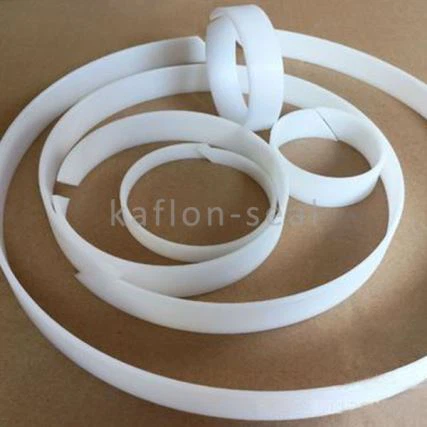
PTFE Guide Rings come in various designs, such as split rings, solid rings, and spiral wound rings. Split rings are the most common type and are relatively easy to install without special tools. They can be simply opened and placed around the piston or rod. Solid rings, on the other hand, require more careful handling and may need special tools to ensure proper installation. Spiral wound rings are designed to provide a continuous seal and may also require specific installation techniques.
Cylinder Size and Shape
The size and shape of the cylinder can also influence the need for special tools. In smaller cylinders, it may be possible to install PTFE Guide Rings by hand without the use of additional equipment. However, in larger cylinders or those with complex geometries, special tools may be necessary to ensure proper alignment and seating of the guide ring. For example, a cylinder with a narrow bore or a deep groove may require a specialized installation tool to insert the guide ring accurately.
Application Requirements
The specific application of the PTFE Guide Ring can also determine whether special tools are needed. In some applications, such as high-pressure hydraulic systems, it is crucial to ensure a tight and secure fit of the guide ring to prevent leakage and ensure optimal performance. Special tools may be used to apply the necessary pressure and force during installation to achieve the desired fit. Additionally, in applications where the guide ring is subject to high temperatures or extreme conditions, special tools may be required to ensure proper installation and prevent damage to the ring.
Common Installation Tools for PTFE Guide Rings
While not all installations require special tools, there are several common tools that can make the installation process easier and more efficient. Here are some examples:
Ring Expanders
Ring expanders are used to open split PTFE Guide Rings and make them easier to install. They come in various sizes and designs, depending on the size and shape of the guide ring. Ring expanders can be manual or hydraulic, and they are typically made of metal or plastic.
Installation Sleeves
Installation sleeves are used to guide the PTFE Guide Ring into the cylinder bore or groove. They are typically made of plastic or metal and are designed to fit the specific size and shape of the guide ring and the cylinder. Installation sleeves can help prevent damage to the guide ring during installation and ensure proper alignment.
Piston and Rod Pullers
Piston and rod pullers are used to remove the piston or rod from the cylinder for installation or replacement of the PTFE Guide Ring. They come in various sizes and designs, depending on the size and shape of the piston or rod. Piston and rod pullers can be manual or hydraulic, and they are typically made of metal.
Lubricants
Lubricants are often used during the installation of PTFE Guide Rings to reduce friction and prevent damage to the ring. They can also help ensure a smooth and easy installation process. There are several types of lubricants available, including silicone-based lubricants, petroleum-based lubricants, and water-based lubricants. It is important to choose the right lubricant for the specific application and to follow the manufacturer's recommendations.
Installation Process Without Special Tools
In many cases, PTFE Guide Rings can be installed without the use of special tools. Here is a step-by-step guide on how to install a split PTFE Guide Ring without special tools:
- Clean the Piston or Rod: Before installing the guide ring, it is important to clean the piston or rod thoroughly to remove any dirt, debris, or oil. This will help ensure a proper fit and prevent damage to the guide ring.
- Open the Split Ring: Carefully open the split PTFE Guide Ring by gently pulling the ends apart. Be careful not to overstretch the ring or damage it.
- Place the Ring on the Piston or Rod: Place the opened split ring around the piston or rod, ensuring that the ends of the ring are aligned properly.
- Slide the Ring into Place: Slowly slide the ring along the piston or rod until it reaches the desired position. Use your fingers to gently press the ring into place and ensure that it is seated properly.
- Check the Fit: Once the ring is installed, check the fit to ensure that it is snug and secure. There should be no gaps or spaces between the ring and the piston or rod.
Installation Process with Special Tools
In some cases, special tools may be required to install PTFE Guide Rings, especially in larger cylinders or those with complex geometries. Here is a step-by-step guide on how to install a solid PTFE Guide Ring using a ring expander and an installation sleeve:
- Clean the Piston or Rod and the Cylinder Bore: Before installing the guide ring, clean the piston or rod and the cylinder bore thoroughly to remove any dirt, debris, or oil. This will help ensure a proper fit and prevent damage to the guide ring.
- Select the Right Tools: Choose the appropriate ring expander and installation sleeve for the size and shape of the guide ring and the cylinder. Make sure the tools are clean and in good condition.
- Expand the Ring: Use the ring expander to open the solid PTFE Guide Ring slightly. Be careful not to overstretch the ring or damage it.
- Place the Ring on the Installation Sleeve: Place the expanded ring on the installation sleeve, ensuring that it is centered and aligned properly.
- Insert the Installation Sleeve into the Cylinder Bore: Carefully insert the installation sleeve with the guide ring into the cylinder bore, aligning it with the piston or rod.
- Slide the Ring onto the Piston or Rod: Slowly slide the ring along the installation sleeve and onto the piston or rod, using the installation sleeve to guide the ring into place.
- Remove the Installation Sleeve: Once the ring is installed, carefully remove the installation sleeve from the cylinder bore.
- Check the Fit: Check the fit of the guide ring to ensure that it is snug and secure. There should be no gaps or spaces between the ring and the piston or rod.
Conclusion
In conclusion, the need for special tools during the installation of PTFE Guide Rings depends on several factors, including the design of the guide ring, the size and shape of the cylinder, and the specific application. While not all installations require special tools, there are several common tools that can make the installation process easier and more efficient. As a supplier of PTFE Guide Rings, we recommend that you consult with our experts to determine the best installation method and tools for your specific application.


If you have any questions or need further information about PTFE Guide Rings or their installation, please feel free to contact us. We are here to help you find the right solution for your hydraulic and mechanical needs. Whether you are looking for Phenolic Cloth Hydraulic Wiper or POM Guide Rings, we have a wide range of products to meet your requirements. Contact us today to discuss your needs and start the procurement process.
References
- "PTFE Guide Rings: A Comprehensive Guide." Hydraulic & Pneumatic Magazine.
- "Installation of PTFE Guide Rings in Hydraulic Cylinders." Technical Bulletin, ABC Company.
- "Best Practices for Installing PTFE Guide Rings." White Paper, XYZ Corporation.