


 Popular Blog Posts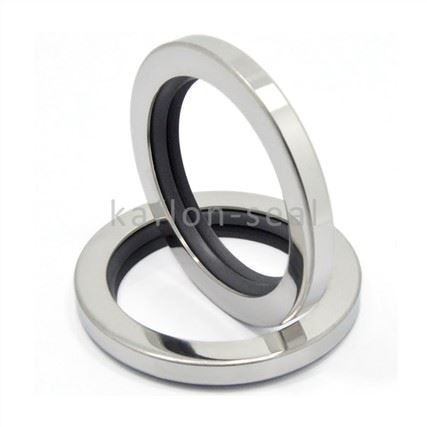


 Blog
BlogHey there! As a supplier of hydraulic wear rings, I often get asked if these little components have self - lubricating properties. So, let's dive right in and explore this topic.
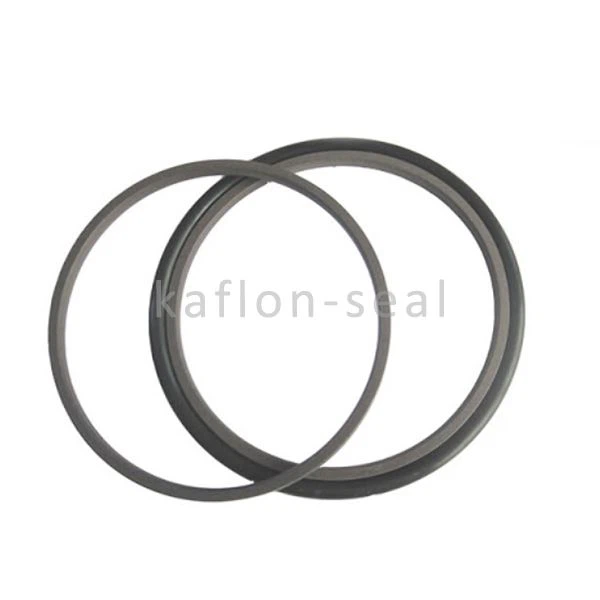
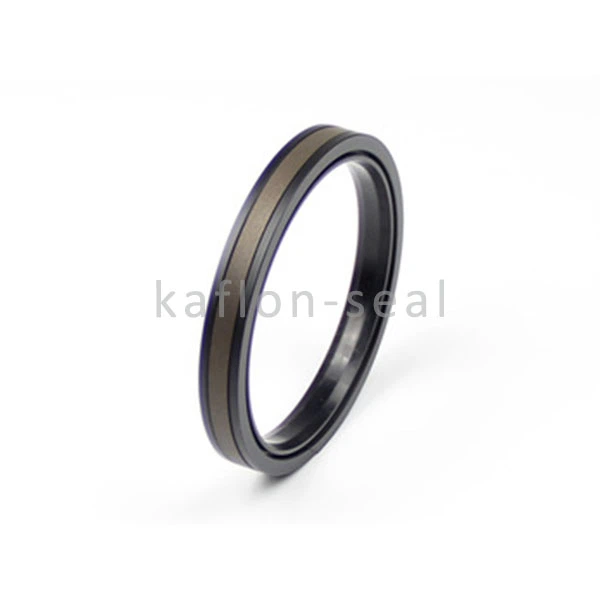
First off, let's understand what hydraulic wear rings are. Hydraulic wear rings are crucial parts in hydraulic systems. They're used to guide pistons and rods, reducing friction and preventing metal - to - metal contact. This helps in extending the lifespan of the hydraulic components and ensuring the smooth operation of the system.
Now, the big question: do they have self - lubricating properties? Well, it depends on the material they're made of. There are different materials used for manufacturing hydraulic wear rings, and each has its own characteristics.
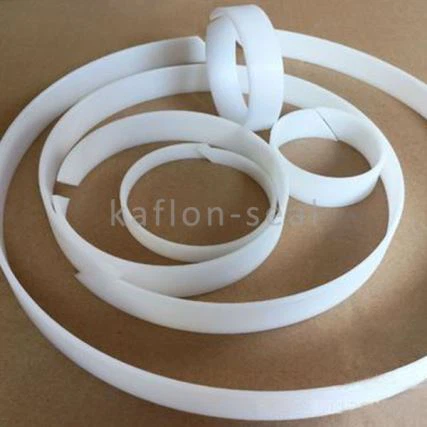
One of the most common materials is PTFE (Polytetrafluoroethylene). PTFE is well - known for its low friction coefficient. In fact, it's one of the slickest materials out there. When a hydraulic wear ring is made of PTFE, it can exhibit self - lubricating properties to a certain extent. The low friction surface of PTFE reduces the need for additional lubricants in the hydraulic system. This is a huge advantage as it can simplify the maintenance process and potentially lower costs. You can check out our PTFE With Polymer Hydraulic Seal which is made with high - quality PTFE and offers excellent self - lubricating capabilities.
Another material option is filled PTFE. Manufacturers often add fillers like glass fibers, carbon, or bronze to PTFE to enhance its mechanical properties. These filled PTFE wear rings still retain some of the self - lubricating properties of pure PTFE. The fillers can improve the wear resistance and load - carrying capacity of the wear ring, while the PTFE matrix continues to provide a low - friction surface.
On the other hand, some wear rings are made from materials like polyurethane (PU). PU wear rings are known for their high abrasion resistance and good sealing properties. However, they generally don't have the same level of self - lubricating properties as PTFE - based wear rings. But that doesn't mean they're not useful. In some hydraulic applications where high - pressure and high - load conditions are present, the excellent mechanical properties of PU can be a better fit. Take a look at our PU Red Piston&Rod Seal for an example of a high - performance PU - based seal.
The self - lubricating properties of hydraulic wear rings also depend on the operating conditions. In a well - designed hydraulic system, the hydraulic fluid itself acts as a lubricant. Even if the wear ring has some self - lubricating capabilities, the hydraulic fluid still plays a vital role in reducing friction and dissipating heat. In high - temperature or high - pressure applications, the hydraulic fluid can help maintain the performance of the wear ring.
Let's talk about how self - lubricating wear rings can benefit your hydraulic system. First, they can reduce the risk of wear and tear. By minimizing friction, the wear on the pistons, rods, and cylinders is significantly reduced. This means fewer breakdowns and less downtime for your equipment. Second, self - lubricating wear rings can improve the efficiency of the hydraulic system. With less energy being wasted on overcoming friction, the system can operate more smoothly and use less power.
Now, let's consider some double - acting seals. Double - acting seals are used in hydraulic cylinders where pressure is applied on both sides of the piston. Our Double Acting PTFE With Rubber Seal combines the self - lubricating properties of PTFE with the flexibility and sealing capabilities of rubber. This combination provides excellent performance in double - acting hydraulic applications.
In addition to the material and design, the manufacturing process also affects the self - lubricating properties of hydraulic wear rings. Precision manufacturing ensures that the surface finish of the wear ring is smooth and consistent. A smooth surface further enhances the self - lubricating effect. At our company, we use state - of - the - art manufacturing techniques to produce high - quality wear rings with optimal self - lubricating properties.
When it comes to choosing the right hydraulic wear ring for your application, you need to consider several factors. The type of hydraulic system, the operating pressure, the temperature range, and the required level of sealing are all important. If self - lubrication is a key requirement, then PTFE - based wear rings are likely your best bet. But if you need high - strength and abrasion resistance, then PU wear rings might be more suitable.
We understand that every hydraulic application is unique, and that's why we offer a wide range of hydraulic wear rings to meet different needs. Whether you're in the construction, manufacturing, or automotive industry, we have the right solution for you.
If you're interested in learning more about our hydraulic wear rings or have any questions regarding their self - lubricating properties, feel free to reach out to us. We're here to help you make the best choice for your hydraulic system. Contact us today to start a discussion about your specific requirements and let's work together to find the perfect hydraulic wear ring for your application.
References
- "Hydraulic Seals and Sealing Technology" by John Doe
- "Materials for Hydraulic Components" by Jane Smith