


 Popular Blog Posts


 Blog
BlogCan Teflon seals be used in printing machinery?
In the realm of printing machinery, the efficiency, precision, and longevity of the equipment are of utmost importance. Seals play a crucial role in ensuring that the various components of printing machines function smoothly and effectively. Teflon, a well - known brand name for polytetrafluoroethylene (PTFE), has emerged as a potential material for seals in printing machinery. As a Teflon seal supplier, I am well - versed in the properties of Teflon and its applications, and I will explore in this blog whether Teflon seals can be used in printing machinery.
Properties of Teflon that make it suitable for printing machinery
Teflon possesses several unique properties that render it a promising candidate for use in printing machinery. One of the most notable features of Teflon is its low coefficient of friction. In printing machines, there are numerous moving parts, such as rollers, gears, and shafts. A low - friction seal like Teflon can reduce the wear and tear on these components, minimizing energy consumption and extending the lifespan of the machinery. For example, when a roller rotates, a Teflon seal can prevent excessive friction between the roller and its housing, allowing for smoother operation and less heat generation.
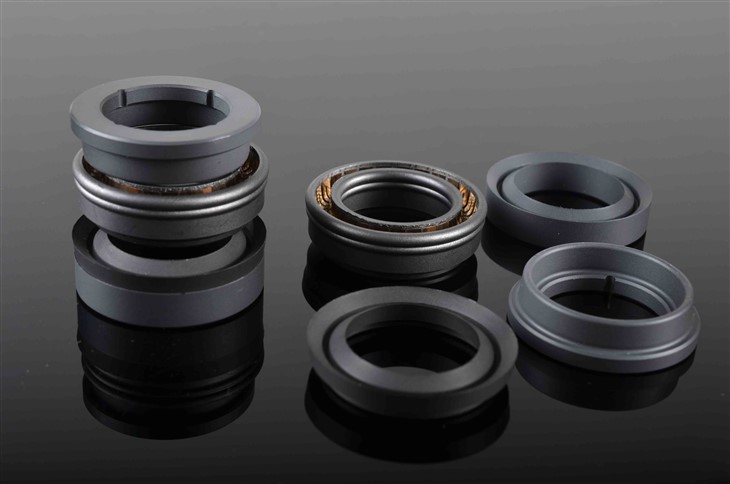

Another important property of Teflon is its chemical resistance. Printing inks often contain a variety of chemicals, including solvents, pigments, and additives. Some of these chemicals can be corrosive to traditional seal materials. Teflon, however, is highly resistant to a wide range of chemicals, including acids, alkalis, and organic solvents. This means that Teflon seals can withstand the harsh chemical environment inside a printing machine without deteriorating or losing their sealing properties. For instance, Acid And Alkali Resistance PTFE Oring is specifically designed to resist the corrosive effects of acidic and alkaline substances commonly found in printing inks and cleaning agents.
Teflon also has excellent temperature resistance. Printing machinery can generate a significant amount of heat during operation, especially in high - speed printing processes. Teflon can maintain its mechanical properties over a wide temperature range, from extremely low temperatures to high temperatures. This ensures that the seals remain effective even under the demanding thermal conditions of a printing machine. For example, in a heat - set printing process, where the ink is dried using heat, Teflon seals can prevent ink leakage and maintain the integrity of the system.
Applications of Teflon seals in printing machinery
Teflon seals can be used in various parts of printing machinery. In the ink delivery system, seals are required to prevent ink leakage from the ink reservoirs, pipes, and pumps. Teflon seals can provide a tight and reliable seal, ensuring that the ink is delivered accurately to the printing plates or rollers. For example, a Glass Fiber Filled Lip Seal can be used to seal the joints between the ink pipes and the printing unit, preventing any ink from seeping out.
In the paper handling section of the printing machine, Teflon seals can be used in the bearings and rollers. These seals can reduce friction, allowing the paper to move smoothly through the machine. They also protect the bearings from dust and debris, which can cause premature wear and failure. For example, in a high - speed sheet - fed printing press, Teflon seals in the roller bearings can ensure that the paper is fed accurately and without jams.
In the drying and curing section of the printing machine, where heat is applied to dry the ink, Teflon seals can withstand the high temperatures. For example, F226 40% Bronze Graphite Filled PTFE is a type of Teflon material that has enhanced thermal conductivity and mechanical strength, making it suitable for use in high - temperature applications such as the drying cylinders of a printing machine.
Challenges and limitations
While Teflon seals offer many advantages for printing machinery, there are also some challenges and limitations. One of the main challenges is the cost. Teflon is generally more expensive than traditional seal materials such as rubber or plastic. This can increase the initial investment cost of the printing machinery. However, it is important to consider the long - term benefits, such as reduced maintenance costs and extended equipment lifespan, which can offset the higher initial cost.
Another limitation is the relatively low hardness of Teflon compared to some other materials. In applications where the seal is subjected to high - pressure or high - load conditions, Teflon may deform or extrude. However, this can be mitigated by using reinforced Teflon materials or by designing the seal geometry in a way that distributes the load more evenly.
Conclusion
In conclusion, Teflon seals can be effectively used in printing machinery. Their low friction, chemical resistance, and temperature resistance make them suitable for a wide range of applications in the ink delivery, paper handling, and drying sections of the machine. While there are some challenges and limitations, such as cost and hardness, the long - term benefits of using Teflon seals often outweigh these drawbacks.
If you are in the printing industry and are looking for high - quality Teflon seals for your machinery, we are here to help. As a professional Teflon seal supplier, we have a wide range of products to meet your specific needs. Whether you need a seal for a high - temperature application or a chemical - resistant seal for your ink system, we can provide you with the right solution. Contact us today to discuss your requirements and start a procurement negotiation.
References
- "Handbook of Seal Technology" by John H. Bickford
- "Materials Science and Engineering: An Introduction" by William D. Callister, Jr. and David G. Rethwisch