


 Popular Blog Posts


 Blog
BlogSpring energized seals are innovative sealing solutions that have gained significant attention in various industrial applications. As a leading supplier of spring energized seals, I am often asked whether these seals can be used in hydraulic systems. In this blog post, I will explore the suitability of spring energized seals for hydraulic systems, discussing their advantages, limitations, and key considerations.
Understanding Spring Energized Seals
Spring energized seals consist of a sealing element, typically made of a high-performance polymer such as polytetrafluoroethylene (PTFE), and a spring. The spring provides continuous radial force, ensuring that the sealing element maintains contact with the mating surfaces. This design allows spring energized seals to compensate for wear, thermal expansion, and surface irregularities, providing reliable sealing performance over a wide range of operating conditions.

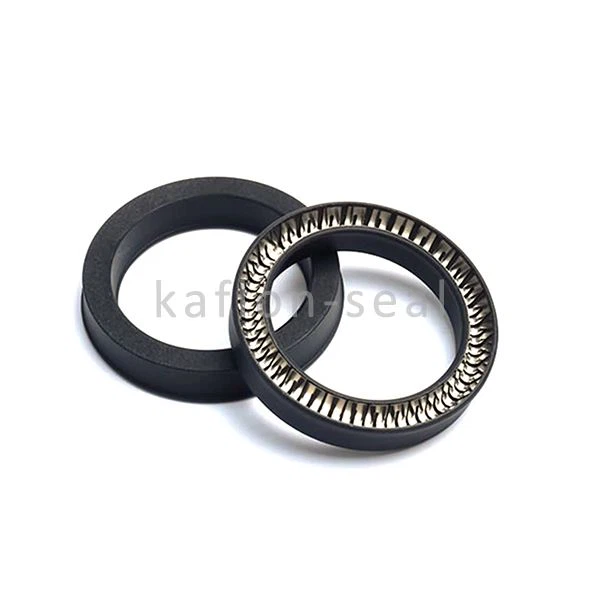
Advantages of Spring Energized Seals in Hydraulic Systems
- Excellent Chemical Resistance
Hydraulic systems often use a variety of hydraulic fluids, including mineral oils, synthetic oils, and water-glycol mixtures. Spring energized seals made of PTFE offer excellent chemical resistance to a wide range of hydraulic fluids, ensuring long-term durability and reliability. For example, PTFE Spring Loaded Energized Seal For High Pressure Application is specifically designed to withstand high-pressure hydraulic applications while maintaining its chemical integrity. - Low Friction and Wear
In hydraulic systems, friction and wear can lead to energy losses, increased operating temperatures, and premature seal failure. Spring energized seals have a low coefficient of friction, which reduces energy consumption and minimizes wear on the sealing surfaces. This results in improved system efficiency and longer service life. - High Pressure Resistance
Hydraulic systems typically operate at high pressures, ranging from a few hundred to several thousand pounds per square inch (psi). Spring energized seals are capable of withstanding high pressures due to the continuous radial force provided by the spring. This ensures a reliable seal even under extreme pressure conditions. - Wide Temperature Range
Hydraulic systems can operate in a wide range of temperatures, from extremely cold to very hot environments. Spring energized seals made of PTFE have a broad temperature range, typically from -200°C to +260°C (-328°F to +500°F). This makes them suitable for use in hydraulic systems operating in various industrial settings. - Customizable Design
Spring energized seals can be customized to meet the specific requirements of hydraulic systems. The sealing element can be designed in different shapes and sizes, and the spring can be selected based on the application's pressure, temperature, and other operating conditions. This allows for optimal sealing performance and compatibility with the hydraulic system.
Limitations of Spring Energized Seals in Hydraulic Systems
- Higher Cost
Compared to traditional rubber seals, spring energized seals are generally more expensive. This is due to the use of high-performance materials and the complex manufacturing process. However, the long-term benefits of using spring energized seals, such as improved reliability and reduced maintenance costs, often outweigh the initial investment. - Installation Complexity
Spring energized seals require careful installation to ensure proper sealing performance. The sealing element must be installed correctly, and the spring must be preloaded to the specified tension. Improper installation can lead to seal failure and leakage. Therefore, it is important to follow the manufacturer's installation instructions and guidelines. - Limited Dynamic Sealing Performance
While spring energized seals are suitable for static and slow-moving applications, they may have limitations in high-speed dynamic sealing applications. In high-speed applications, the sealing element may experience excessive wear and tear, leading to reduced sealing performance. In such cases, alternative sealing solutions may be more appropriate.
Key Considerations for Using Spring Energized Seals in Hydraulic Systems
- Fluid Compatibility
Before selecting a spring energized seal for a hydraulic system, it is important to ensure that the sealing material is compatible with the hydraulic fluid used in the system. Different hydraulic fluids have different chemical properties, and some fluids may react with certain sealing materials, causing degradation and seal failure. Therefore, it is recommended to consult the seal manufacturer or a materials expert to determine the most suitable sealing material for the specific hydraulic fluid. - Operating Conditions
The operating conditions of the hydraulic system, such as pressure, temperature, and speed, must be carefully considered when selecting a spring energized seal. The seal must be able to withstand the maximum pressure and temperature expected in the system, as well as the dynamic forces generated by the moving parts. Additionally, the seal's performance may be affected by factors such as vibration, shock, and contamination. Therefore, it is important to choose a seal that is designed to operate under the specific conditions of the hydraulic system. - Seal Design and Configuration
The design and configuration of the spring energized seal can have a significant impact on its performance in a hydraulic system. The seal's shape, size, and spring characteristics must be carefully selected to ensure proper sealing performance and compatibility with the system's components. For example, Spring Seals For Seat-To-Body made of Polytetrafluoroethylene (PTFE) are specifically designed for use in seat-to-body applications, providing a reliable seal in high-pressure hydraulic systems. - Maintenance and Inspection
Regular maintenance and inspection of the spring energized seals are essential to ensure their long-term performance and reliability. The seals should be inspected for signs of wear, damage, or leakage, and replaced as needed. Additionally, the hydraulic system should be maintained properly, including regular fluid changes and filter replacements, to prevent contamination and damage to the seals.
Conclusion
Spring energized seals can be used effectively in hydraulic systems, offering numerous advantages such as excellent chemical resistance, low friction and wear, high pressure resistance, wide temperature range, and customizable design. However, they also have some limitations, including higher cost, installation complexity, and limited dynamic sealing performance. When considering using spring energized seals in a hydraulic system, it is important to carefully evaluate the specific requirements of the application, including fluid compatibility, operating conditions, seal design, and maintenance needs.
As a supplier of spring energized seals, we have extensive experience in providing high-quality sealing solutions for hydraulic systems. Our team of experts can help you select the most suitable spring energized seal for your specific application, ensuring optimal performance and reliability. If you are interested in learning more about our spring energized seals or would like to discuss your sealing requirements, please contact us for a consultation. We look forward to working with you to meet your hydraulic system sealing needs.
References
- "Sealing Technology Handbook" by John H. Bickford
- "Hydraulic System Design and Application" by George R. Bloch
- "Materials Science and Engineering: An Introduction" by William D. Callister Jr.