


 Popular Blog Posts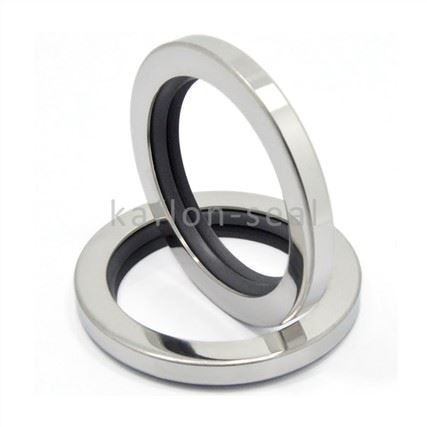



 Blog
BlogHey there! As a supplier of Spring Energized Seals, I often get asked if these seals can be used in cryogenic applications. Well, let's dive right into it and explore this topic.
First off, what are Spring Energized Seals? They're a type of seal that combines a spring with a sealing element. The spring provides the necessary force to keep the seal in contact with the mating surfaces, ensuring a reliable seal. These seals are known for their excellent performance in a wide range of applications, from high - pressure to high - temperature environments.
Now, when it comes to cryogenic applications, things get a bit tricky. Cryogenic conditions typically involve extremely low temperatures, often below -150°C (-238°F). At these frigid temperatures, most materials tend to become brittle and lose their flexibility. This can lead to seal failure, as the seal may crack or lose its ability to maintain a proper seal.
But here's the good news: Spring Energized Seals can indeed be used in cryogenic applications, and here's why.


Material Selection
The key to using Spring Energized Seals in cryogenic applications lies in the choice of materials. For the sealing element, materials like PTFE (Polytetrafluoroethylene) are a popular choice. PTFE has excellent chemical resistance and low friction properties, which are great for sealing applications. More importantly, it retains its properties at low temperatures better than many other materials. You can check out more about PTFE Energzied Spring Seal Resistance To Developer to understand its performance in different environments.
The spring used in the seal also needs to be carefully selected. Stainless steel springs are commonly used because they have good corrosion resistance and can maintain their elasticity at low temperatures. However, in some cases, special alloys may be required to ensure the spring doesn't lose its spring force in cryogenic conditions.
Design Considerations
The design of the Spring Energized Seal also plays a crucial role in its performance in cryogenic applications. The seal needs to be designed to accommodate the thermal contraction that occurs at low temperatures. This means that the seal should have enough clearance and flexibility to adjust to the changes in dimensions without losing its sealing ability.
For example, a well - designed Teflon Spring Energized Shaft Seal For Mechine will have a geometry that allows it to maintain contact with the shaft even as the materials contract. This can prevent leaks and ensure the reliable operation of the equipment.
Performance Advantages
Using Spring Energized Seals in cryogenic applications offers several performance advantages.
- Reliable Sealing: These seals can provide a reliable seal even at extremely low temperatures, preventing leaks of cryogenic fluids such as liquid nitrogen, liquid oxygen, or liquefied natural gas (LNG). This is crucial for safety and the efficient operation of cryogenic systems.
- Long Service Life: With the right material selection and design, Spring Energized Seals can have a long service life in cryogenic applications. This reduces the need for frequent seal replacements, which can be costly and time - consuming.
- Low Friction: As mentioned earlier, PTFE has low friction properties. This means that the seal can operate with less resistance, reducing wear and tear on the seal and the mating surfaces. This is especially important in applications where the seal is in constant motion, such as in cryogenic pumps or valves.
Applications
Spring Energized Seals are used in a variety of cryogenic applications.
- Cryogenic Storage Tanks: These seals are used to seal the lids and valves of cryogenic storage tanks. They prevent the escape of cryogenic fluids and ensure the integrity of the storage system.
- Cryogenic Pumps: In cryogenic pumps, Spring Energized Seals are used to seal the shafts and prevent leaks of the pumped cryogenic fluid. Their low - friction properties also help in reducing the energy consumption of the pump.
- Cryogenic Valves: Valves in cryogenic systems need reliable seals to control the flow of cryogenic fluids. Spring Energized Seals, such as PTFE Valve And Seat Spring Seals, can provide the necessary sealing performance even in the harsh cryogenic environment.
Challenges and Solutions
Of course, using Spring Energized Seals in cryogenic applications isn't without its challenges.
- Thermal Cycling: Cryogenic systems often experience thermal cycling, where the temperature fluctuates between cryogenic and ambient temperatures. This can cause stress on the seal and lead to premature failure. To address this, the seal materials need to be able to withstand the repeated thermal expansion and contraction. Special heat - treatment processes can also be applied to the seal components to improve their resistance to thermal cycling.
- Contamination: Cryogenic environments can be prone to contamination, which can affect the performance of the seal. The seal needs to be designed to resist contamination and prevent it from entering the sealing interface. This can be achieved through proper sealing design and the use of contamination - resistant materials.
Conclusion
In conclusion, Spring Energized Seals can definitely be used in cryogenic applications. With the right material selection, design, and proper handling, these seals can provide reliable sealing performance in the harsh cryogenic environment.
If you're in the market for Spring Energized Seals for your cryogenic applications, we're here to help. We have a wide range of products that are specifically designed for cryogenic use, and our team of experts can assist you in choosing the right seal for your needs. Whether you're looking for a seal for a cryogenic storage tank, a pump, or a valve, we've got you covered. So, don't hesitate to reach out and start a discussion about your sealing requirements.
References
- "Sealing Technology for Cryogenic Applications", Industrial Sealing Handbook
- "Materials for Cryogenic Seals", Journal of Cryogenic Engineering