


 Popular Blog Posts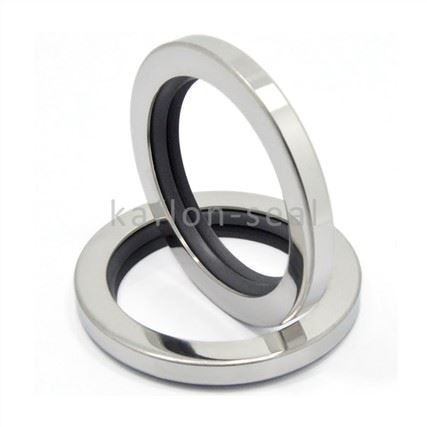



 Blog
BlogCan Rotary Glyd Rings be used in corrosive environments?
Rotary Glyd Rings are well - known sealing components that play a crucial role in various industrial applications. As a supplier of Rotary Glyd Rings, I often get asked whether these rings can be used in corrosive environments. In this blog, I'll delve into this question, exploring the properties of Rotary Glyd Rings, the nature of corrosive environments, and how they interact.
Understanding Rotary Glyd Rings
Rotary Glyd Rings are designed to provide effective sealing in dynamic applications, especially those involving rotating shafts. They are typically composed of a PTFE (polytetrafluoroethylene) sealing element and an elastomeric energizer. The PTFE sealing element offers low friction, high wear resistance, and excellent chemical resistance, while the elastomeric energizer provides the necessary pre - load to ensure proper sealing.
The PTFE used in Rotary Glyd Rings has a unique molecular structure. It consists of carbon atoms surrounded by fluorine atoms, which form a strong and stable bond. This structure gives PTFE its well - known non - stick properties and high chemical inertness. The elastomeric energizer, on the other hand, is usually made of materials like nitrile rubber (NBR), fluorocarbon rubber (FKM), or ethylene propylene diene monomer (EPDM), each with its own set of properties.
Corrosive Environments: A Challenge
Corrosive environments can be classified into different types, including chemical corrosion, electrochemical corrosion, and stress corrosion. Chemical corrosion occurs when a material reacts with chemicals in the environment, such as acids, alkalis, and oxidizing agents. Electrochemical corrosion involves the flow of electric current between different parts of a metal or between a metal and an electrolyte. Stress corrosion is a combination of mechanical stress and a corrosive environment, which can lead to cracking and failure of the material.
In industrial settings, corrosive environments are quite common. For example, in the chemical processing industry, equipment is often exposed to strong acids and alkalis. In the oil and gas industry, pipelines and pumps are in contact with corrosive fluids such as seawater, sour gas, and crude oil. In the food and beverage industry, equipment may be exposed to acidic or alkaline cleaning agents.
Can Rotary Glyd Rings Withstand Corrosion?
The answer to whether Rotary Glyd Rings can be used in corrosive environments is not straightforward. It depends on several factors, including the type of corrosive agent, the concentration of the corrosive agent, the temperature, and the duration of exposure.
-
Chemical Resistance of PTFE: PTFE is highly resistant to a wide range of chemicals. It can withstand most acids, alkalis, solvents, and oxidizing agents at room temperature. For example, it is resistant to hydrochloric acid, sulfuric acid, nitric acid, and sodium hydroxide. This makes the PTFE sealing element of Rotary Glyd Rings suitable for many corrosive applications. However, there are some exceptions. PTFE can be attacked by molten alkali metals, fluorine gas, and some strong oxidizing agents at high temperatures.


-
Elastomeric Energizer: The elastomeric energizer is more vulnerable to corrosion compared to the PTFE sealing element. Different elastomers have different chemical resistance profiles. For example, NBR has good resistance to oils and fuels but is less resistant to acids and ozone. FKM, on the other hand, has excellent resistance to high - temperature chemicals, including acids, fuels, and oils. EPDM is known for its good resistance to water, steam, and dilute acids and alkalis. When selecting a Rotary Glyd Ring for a corrosive environment, it is crucial to choose the right elastomeric energizer based on the specific corrosive agents present.
-
Temperature and Concentration: Temperature and the concentration of the corrosive agent also play important roles. In general, the chemical resistance of materials decreases with increasing temperature. Higher concentrations of corrosive agents can also accelerate the corrosion process. For example, a Rotary Glyd Ring that can withstand a certain acid at a low concentration and room temperature may fail when exposed to a higher concentration of the same acid at an elevated temperature.
Applications in Corrosive Environments
Despite the challenges, Rotary Glyd Rings can be successfully used in many corrosive environments. Here are some examples:
- Chemical Processing: In chemical plants, Rotary Glyd Rings can be used in pumps, valves, and agitators to seal corrosive chemicals. By selecting the appropriate PTFE and elastomeric materials, these rings can provide long - term sealing performance. For instance, in a process where sulfuric acid is being pumped, a Rotary Glyd Ring with a PTFE sealing element and an FKM energizer can be a good choice.
- Oil and Gas: In the oil and gas industry, Rotary Glyd Rings are used in wellhead equipment, pumps, and compressors. They can withstand the corrosive effects of seawater, sour gas, and crude oil. The use of FKM energizers can enhance the resistance of the rings to these corrosive fluids.
- Food and Beverage: In the food and beverage industry, Rotary Glyd Rings are used in equipment such as mixers, fillers, and pumps. They need to be resistant to cleaning agents and the food products themselves. EPDM energizers are often used in these applications due to their good resistance to water, steam, and mild acids and alkalis.
Related Products for Corrosive Environments
If you are looking for other sealing products suitable for corrosive environments, we also offer a range of related items. For example, our Screw Comprosser PTFE Oil Seal is designed to provide excellent sealing in screw compressors, which may be exposed to corrosive oils and gases. Our PTFE Lip Seal is another option for applications where a reliable lip - type seal is required in a corrosive environment. And our Rotating Motions PTFE Shaft Seals are specifically engineered for rotating shafts in corrosive settings.
Contact for Procurement
If you are interested in our Rotary Glyd Rings or any of our other sealing products for corrosive environments, we invite you to contact us for procurement and further discussion. Our team of experts can help you select the right product based on your specific requirements, including the type of corrosive environment, temperature, and pressure conditions. We are committed to providing high - quality sealing solutions that meet your needs and ensure the reliable operation of your equipment.
References
- "Handbook of Seal Materials and Technology" by John D. Adamson
- "Corrosion Engineering" by Mars G. Fontana
- "PTFE: Properties and Applications" by David A. Tomalia