


 Popular Blog Posts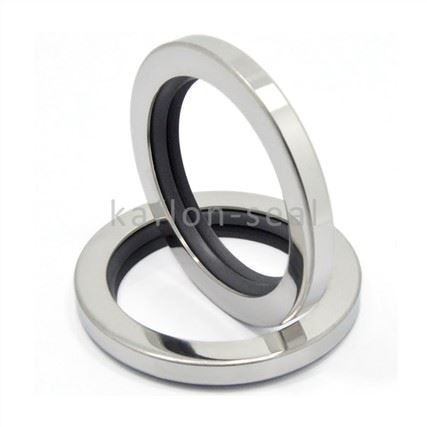

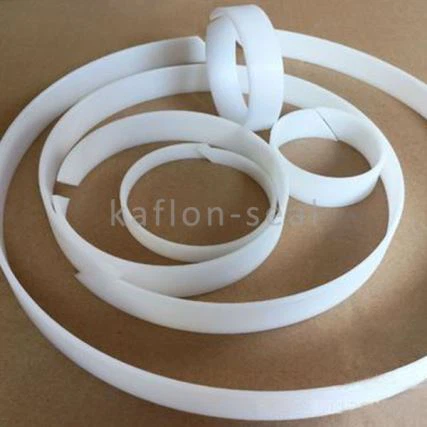

 Blog
BlogHey there! As a supplier of PTFE lip seals, I often get asked, "Can PTFE lip seals be used in hydraulic systems?" Well, let's dive right into it and find out.
First off, let's talk a bit about what PTFE lip seals are. PTFE, or polytetrafluoroethylene, is a synthetic fluoropolymer of tetrafluoroethylene. It's known for its amazing chemical resistance, low friction coefficient, and high temperature tolerance. Lip seals, on the other hand, are used to prevent the leakage of fluids (like oil or hydraulic fluid) and the ingress of contaminants. They have a flexible lip that makes contact with a shaft or a housing, creating a seal.
Now, when it comes to hydraulic systems, they're pretty demanding. They operate under high pressures, sometimes at high temperatures, and they need to be super reliable. The fluid used in hydraulic systems is usually some kind of hydraulic oil, which has its own set of properties and requirements.
One of the biggest advantages of using PTFE lip seals in hydraulic systems is their chemical resistance. Hydraulic oils can contain various additives and chemicals, and PTFE is resistant to a wide range of them. This means that the seal won't degrade or break down easily when in contact with the hydraulic fluid. For example, if the hydraulic oil has anti - wear additives or corrosion inhibitors, PTFE can handle it without a problem.
Another great thing about PTFE is its low friction coefficient. In a hydraulic system, there are moving parts, and friction can cause energy losses and wear. With PTFE lip seals, the low friction helps to reduce the power consumption of the system and also extends the life of the seal itself and the other components in contact with it. This is especially important in high - speed hydraulic applications where excessive friction can lead to overheating and premature failure.
PTFE lip seals also have excellent temperature resistance. Hydraulic systems can generate a lot of heat, especially during heavy - duty operation. PTFE can withstand high temperatures without losing its sealing properties. It can operate in a wide temperature range, from very cold to quite hot, making it suitable for hydraulic systems in different environments.
But it's not all sunshine and rainbows. There are a few things to consider when using PTFE lip seals in hydraulic systems. One of the main challenges is the initial cost. PTFE is more expensive than some other materials used for lip seals, like rubber. So, if cost is a major factor, it might be a bit of a deterrent.
Also, PTFE is a relatively hard material compared to rubber. While this gives it some of its great properties, it can also make it a bit more difficult to install. It requires a more precise fit and proper surface finish on the shaft and housing. If the installation is not done correctly, it can lead to leakage or premature wear of the seal.
Now, let's take a look at some of the specific types of PTFE lip seals that can be used in hydraulic systems. We have the Medical Equipment Rotary PTFE POB Oil Seal. This type of seal is designed with precision and can be used in hydraulic systems where high - quality sealing is required, like in some medical equipment hydraulic components.

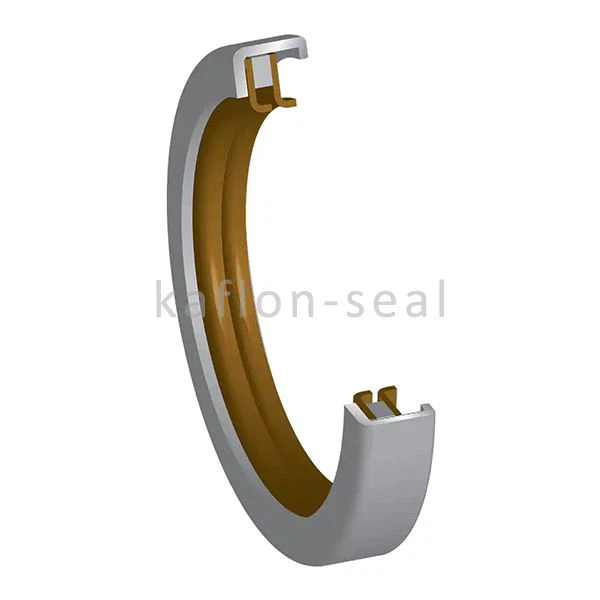
The Vacuum Operation PTFE Stainless Oil Seal is another option. In some hydraulic systems, there might be a need to maintain a certain level of vacuum or prevent the ingress of air. This seal is designed to handle such conditions effectively.
And then there's the Screw Comprosser PTFE Oil Seal. Screw compressors are often used in hydraulic power units, and this type of seal can provide reliable sealing in those applications.
In conclusion, PTFE lip seals can definitely be used in hydraulic systems. They offer many advantages in terms of chemical resistance, low friction, and temperature tolerance. However, there are some challenges like cost and installation requirements. If you're looking for a high - performance sealing solution for your hydraulic system, PTFE lip seals are definitely worth considering.
If you're interested in learning more about our PTFE lip seals or want to discuss a potential purchase for your hydraulic system, don't hesitate to reach out. We're here to help you find the right sealing solution for your needs.
References:
- "Handbook of Seal Technology" by Lebeck, A. O.
- "Sealing Technology for Fluid Power Systems" by various authors in the fluid power industry.