


 Popular Blog Posts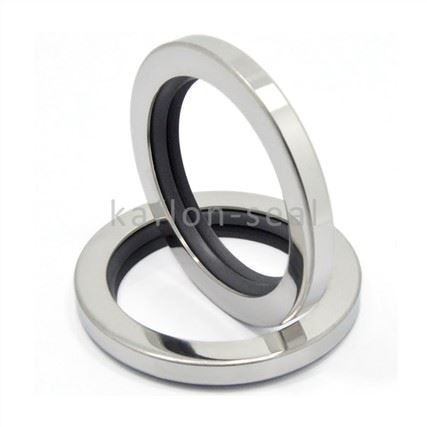


 Blog
BlogHey there! As a PTFE lip seal supplier, I often get asked whether our products can be used in glass manufacturing equipment. Today, I'm gonna dive deep into this topic and share my thoughts.
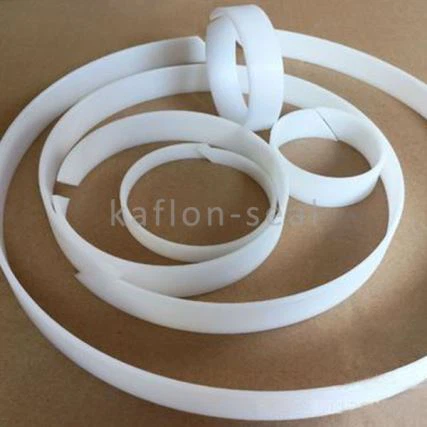
First off, let's talk about what PTFE lip seals are. PTFE, or polytetrafluoroethylene, is a synthetic fluoropolymer known for its excellent chemical resistance, low friction coefficient, and high-temperature stability. Lip seals, on the other hand, are used to prevent the leakage of fluids and the ingress of contaminants in various mechanical systems. When you combine these two, you get a seal that's pretty darn versatile.
Now, let's take a look at the environment in glass manufacturing equipment. Glass production involves high temperatures, harsh chemicals, and high-speed rotating parts. For instance, in the melting process, the temperature can reach up to 1500°C or even higher. And during the forming and annealing stages, there are various chemicals and lubricants involved.
One of the key requirements for seals in glass manufacturing equipment is high-temperature resistance. PTFE lip seals are a great choice in this regard. They can withstand temperatures ranging from -200°C to +260°C, which means they can handle the heat generated in the glass production process without losing their sealing properties. This is crucial because if a seal fails due to high temperatures, it can lead to fluid leakage, which not only affects the quality of the glass but also poses a safety hazard.
Another important factor is chemical resistance. Glass manufacturing involves the use of strong acids, alkalis, and other corrosive substances. PTFE is highly resistant to most chemicals, making it an ideal material for seals in this environment. It won't react with the chemicals used in the glass production process, ensuring long-term reliability and performance.
The low friction coefficient of PTFE is also a big advantage. In glass manufacturing equipment, there are many rotating parts, such as shafts and rollers. A seal with a low friction coefficient reduces the energy consumption of these rotating parts, which in turn saves energy and reduces operating costs. You can learn more about the friction coefficients of PTFE oil seals here.
Now, let's talk about some specific applications of PTFE lip seals in glass manufacturing equipment.
In the melting furnace, PTFE lip seals can be used to seal the shafts of the stirrers. The stirrers are used to ensure uniform melting of the glass batch, and they operate at high temperatures. A PTFE lip seal can prevent the leakage of molten glass and the ingress of air, which is important for maintaining the quality of the glass.
In the glass forming machines, such as the float glass line, PTFE lip seals can be used to seal the rollers. The rollers are used to transport the molten glass and shape it into the desired thickness. A good seal can prevent the lubricant from leaking onto the glass surface, which can cause defects in the glass. You can find more information about radial PTFE shaft seals here.
In the annealing lehr, where the glass is slowly cooled to relieve internal stresses, PTFE lip seals can be used to seal the doors and other openings. This helps to maintain a stable temperature inside the lehr, which is crucial for the quality of the glass.
However, it's important to note that not all PTFE lip seals are suitable for glass manufacturing equipment. The design and specifications of the seal need to be carefully selected based on the specific requirements of the equipment. For example, the size, shape, and hardness of the seal need to be matched to the shaft and housing dimensions, as well as the operating conditions.
In addition, proper installation and maintenance are also essential for the performance of PTFE lip seals. During installation, it's important to ensure that the seal is properly aligned and seated, and that there are no scratches or damage to the seal surface. Regular inspection and replacement of seals are also necessary to prevent premature failure.
Another aspect to consider is the compatibility with other materials in the equipment. PTFE lip seals need to be compatible with the lubricants and other materials used in the glass manufacturing process. If there is a compatibility issue, it can lead to seal failure or other problems.
In some cases, PTFE lip seals may need to be customized to meet the specific needs of glass manufacturing equipment. For example, if there are special requirements for chemical resistance or temperature resistance, we can develop custom-made seals to meet those needs. You can also check out our Medical Equipment Rotary PTFE POB Oil Seal for some inspiration on customized seals.
In conclusion, PTFE lip seals can definitely be used in glass manufacturing equipment. Their high-temperature resistance, chemical resistance, and low friction coefficient make them a great choice for this demanding environment. However, careful selection, proper installation, and regular maintenance are essential to ensure their long-term performance and reliability.
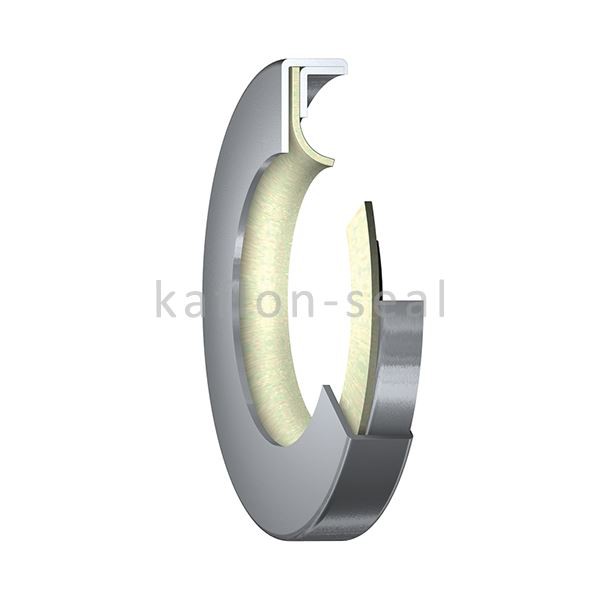

If you're in the glass manufacturing industry and are looking for high-quality PTFE lip seals, don't hesitate to get in touch with us. We have a wide range of products to meet your needs, and our team of experts can provide you with professional advice and support. Let's work together to ensure the smooth operation of your glass manufacturing equipment!
References:
- "Handbook of Seal Technology"
- "Polytetrafluoroethylene (PTFE): Properties and Applications"