


 Popular Blog Posts



 Blog
BlogCan PTFE Guide Rings be used in textile machinery?
As a supplier of PTFE Guide Rings, I often get asked about the suitability of our products for various industries. One question that comes up frequently is whether PTFE Guide Rings can be used in textile machinery. In this blog post, I'll explore this topic in detail and provide insights based on my experience in the industry.


Understanding PTFE Guide Rings
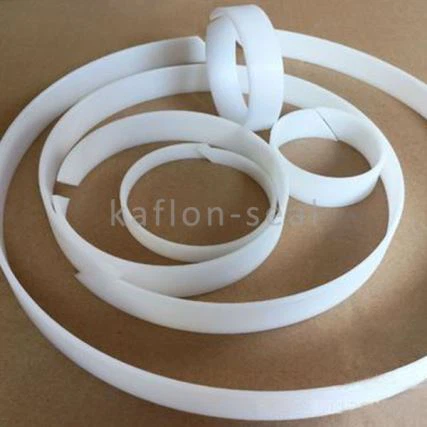
Before delving into their application in textile machinery, let's first understand what PTFE Guide Rings are. PTFE, or polytetrafluoroethylene, is a synthetic fluoropolymer known for its exceptional properties. It has a low coefficient of friction, high chemical resistance, and excellent thermal stability. These characteristics make PTFE an ideal material for guide rings, which are used to guide and support moving parts in machinery.
PTFE Guide Rings are designed to reduce friction and wear between moving components, ensuring smooth and efficient operation. They are commonly used in hydraulic and pneumatic systems, as well as in various industrial applications where precise guiding and low friction are required. PTFE Guide Rings come in different shapes and sizes to fit specific machinery requirements.
Requirements of Textile Machinery
Textile machinery operates under unique conditions that demand specific performance characteristics from its components. Some of the key requirements include:
- Low Friction: Textile machinery involves the movement of various parts, such as rollers, spindles, and shuttles. Low friction is essential to minimize energy consumption, reduce wear and tear, and ensure smooth operation. This helps in achieving high production speeds and maintaining the quality of the textile products.
- Chemical Resistance: Textile manufacturing processes often involve the use of chemicals, such as dyes, solvents, and detergents. Components in textile machinery need to be resistant to these chemicals to prevent corrosion and degradation, which could affect the performance and lifespan of the machinery.
- Wear Resistance: Continuous movement and contact between parts in textile machinery can lead to wear. Wear-resistant components are necessary to ensure long-term reliability and reduce the need for frequent replacements.
- Precision and Stability: Textile machinery requires precise guiding and positioning of moving parts to produce high-quality textiles. Components need to provide stability and accuracy to maintain the desired tension, alignment, and speed during the manufacturing process.
Advantages of Using PTFE Guide Rings in Textile Machinery
PTFE Guide Rings offer several advantages that make them well-suited for textile machinery applications:
- Low Friction Coefficient: The low friction coefficient of PTFE reduces the energy required to move the parts in textile machinery. This not only saves energy but also helps in reducing heat generation, which can be beneficial for the overall performance and longevity of the machinery. For example, in spinning machines, where high-speed rotation is involved, low friction guide rings can improve the efficiency of the process and reduce the risk of overheating.
- Chemical Resistance: PTFE is highly resistant to a wide range of chemicals, including those commonly used in textile manufacturing. This makes PTFE Guide Rings suitable for use in environments where they may come into contact with dyes, solvents, and other chemicals. The chemical resistance helps in preventing corrosion and maintaining the integrity of the guide rings, ensuring consistent performance over time.
- Wear Resistance: PTFE Guide Rings have excellent wear resistance properties. They can withstand the continuous rubbing and sliding against other parts in textile machinery without significant wear. This reduces the need for frequent replacements, minimizing downtime and maintenance costs. For instance, in weaving machines, where the guide rings are in constant contact with the shuttle or other moving elements, wear-resistant guide rings can ensure smooth operation and reliable performance.
- Self-Lubricating: PTFE has self-lubricating properties, which means it can reduce friction without the need for additional lubricants. This is particularly advantageous in textile machinery, as it eliminates the risk of lubricant contamination of the textile products. Self-lubricating guide rings also simplify the maintenance process and reduce the overall cost of operation.
- Precision and Stability: PTFE Guide Rings can provide precise guiding and support to the moving parts in textile machinery. They help in maintaining the correct alignment and tension, ensuring the production of high-quality textiles. The stability offered by PTFE Guide Rings is crucial for achieving consistent results in textile manufacturing.
Applications of PTFE Guide Rings in Textile Machinery
PTFE Guide Rings can be used in various parts of textile machinery, including:
- Spinning Machines: In spinning machines, PTFE Guide Rings can be used to guide the spindles and rollers. They help in reducing friction, ensuring smooth rotation, and maintaining the correct tension of the yarn. This results in improved spinning efficiency and better quality yarn production.
- Weaving Machines: Weaving machines require precise guiding of the shuttle and other moving parts. PTFE Guide Rings can be used to provide low-friction support, ensuring smooth movement and accurate positioning. This helps in producing high-quality fabrics with consistent patterns and textures.
- Dyeing and Finishing Machines: Dyeing and finishing processes involve the use of chemicals and high temperatures. PTFE Guide Rings' chemical resistance and thermal stability make them suitable for use in these machines. They can withstand the harsh conditions and ensure the reliable operation of the equipment.
- Textile Printing Machines: Textile printing machines need to maintain precise alignment and movement of the printing heads and other components. PTFE Guide Rings can provide the necessary stability and low friction to ensure accurate printing and high-quality output.
Comparison with Other Guide Ring Materials
While PTFE Guide Rings offer many advantages, it's important to compare them with other materials commonly used in guide rings to understand their relative performance.
- Phenolic Cloth Hydraulic Wiper: Phenolic Cloth Hydraulic Wiper is another material used in some guide ring applications. However, compared to PTFE, phenolic cloth may have a higher friction coefficient and lower chemical resistance. PTFE Guide Rings are generally more suitable for applications where low friction and chemical resistance are critical, such as in textile machinery.
- Wear-resistant Guide Ring: Wear-resistant Guide Ring materials are designed to withstand wear. While PTFE Guide Rings are also wear-resistant, they offer additional benefits such as low friction and chemical resistance. In textile machinery, where multiple performance requirements need to be met, PTFE Guide Rings can provide a more comprehensive solution.
Considerations for Using PTFE Guide Rings in Textile Machinery
Although PTFE Guide Rings have many advantages for textile machinery, there are some considerations to keep in mind:
- Cost: PTFE is a relatively expensive material compared to some other guide ring materials. However, the long-term benefits, such as reduced maintenance costs and improved machinery performance, often outweigh the initial cost. It's important to evaluate the overall cost-effectiveness based on the specific requirements and expected lifespan of the machinery.
- Installation and Compatibility: Proper installation of PTFE Guide Rings is crucial to ensure their optimal performance. They need to be installed correctly to fit the machinery components precisely. Additionally, compatibility with other parts of the machinery, such as seals and lubricants, should be considered to avoid any potential issues.
- Temperature Limitations: While PTFE has good thermal stability, it does have temperature limitations. In some high-temperature textile processes, additional measures may need to be taken to ensure that the PTFE Guide Rings can operate within their temperature range.
Conclusion
In conclusion, PTFE Guide Rings can be effectively used in textile machinery. Their low friction, chemical resistance, wear resistance, and self-lubricating properties make them well-suited to meet the unique requirements of textile manufacturing. They offer significant advantages over other guide ring materials in terms of performance and longevity.
If you are in the textile machinery industry and are looking for high-quality guide rings, I encourage you to consider our PTFE Guide Rings. Our products are designed to meet the demanding requirements of textile machinery and provide reliable performance. We can work with you to understand your specific needs and recommend the most suitable guide ring solutions.
Whether you are upgrading your existing textile machinery or designing new equipment, our PTFE Guide Rings can help you achieve better efficiency, higher productivity, and improved product quality. Feel free to contact us to discuss your requirements and explore how our products can benefit your textile manufacturing processes.
References
- "Handbook of Textile Machinery" - A comprehensive reference book on the design, operation, and maintenance of textile machinery.
- "PTFE: Properties and Applications" - A technical publication that provides detailed information about the properties and uses of PTFE in various industries.