


 Popular Blog Posts



 Blog
BlogCan PTFE Guide Rings be used in marine applications?
As a supplier of PTFE guide rings, I often get asked about the suitability of these products for marine applications. The marine environment is a harsh one, characterized by high humidity, saltwater exposure, and extreme temperature variations. These conditions can take a toll on the performance and durability of many materials, so it's crucial to understand whether PTFE guide rings can withstand these challenges.
Properties of PTFE Guide Rings
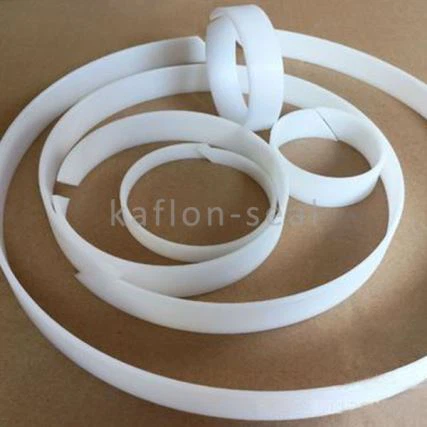
PTFE, or polytetrafluoroethylene, is a synthetic fluoropolymer known for its exceptional chemical resistance, low friction coefficient, and high temperature stability. These properties make PTFE guide rings an attractive option for a wide range of industrial applications, including those in the marine sector.
One of the key advantages of PTFE guide rings is their excellent chemical resistance. Saltwater is highly corrosive, and many metals and plastics can degrade quickly when exposed to it. PTFE, however, is resistant to a wide range of chemicals, including saltwater, acids, and bases. This means that PTFE guide rings can maintain their integrity and performance even in the harshest marine environments.
In addition to their chemical resistance, PTFE guide rings also have a very low friction coefficient. This reduces wear and tear on the moving parts of a system, which can extend the lifespan of the equipment and reduce maintenance costs. In a marine application, where equipment is often subject to high loads and frequent use, the low friction of PTFE guide rings can be particularly beneficial.


Another important property of PTFE is its high temperature stability. Marine engines and other equipment can generate a lot of heat, and materials that cannot withstand high temperatures can fail prematurely. PTFE has a high melting point and can operate at temperatures ranging from -200°C to 260°C (-328°F to 500°F), making it suitable for use in high-temperature marine applications.
Applications of PTFE Guide Rings in the Marine Industry
PTFE guide rings can be used in a variety of marine applications, including:
- Hydraulic Systems: Hydraulic systems are widely used in marine vessels for steering, lifting, and other functions. PTFE guide rings can be used in hydraulic cylinders to guide the piston and prevent leakage. Their low friction and high wear resistance make them ideal for use in these high-pressure systems.
- Propulsion Systems: PTFE guide rings can also be used in propulsion systems, such as propeller shafts and gearboxes. They can help to reduce friction and wear, improve efficiency, and prevent damage to the moving parts.
- Seawater Pumps: Seawater pumps are used to circulate water through the cooling systems of marine engines. PTFE guide rings can be used in these pumps to prevent corrosion and ensure reliable operation.
- Valves and Fittings: PTFE guide rings can be used in valves and fittings to provide a tight seal and prevent leakage. Their chemical resistance makes them suitable for use in applications where they come into contact with saltwater and other corrosive substances.
Challenges and Considerations
While PTFE guide rings offer many advantages for marine applications, there are also some challenges and considerations that need to be taken into account.
One of the main challenges is the cost of PTFE. PTFE is a relatively expensive material, which can make PTFE guide rings more costly than other types of guide rings. However, the long lifespan and high performance of PTFE guide rings can often offset the higher initial cost.
Another consideration is the installation and maintenance of PTFE guide rings. PTFE is a soft material, and it can be easily damaged during installation. It's important to follow the manufacturer's instructions carefully and use the correct tools and techniques to ensure proper installation. Additionally, PTFE guide rings may require periodic maintenance to ensure optimal performance.
Finally, it's important to note that not all PTFE guide rings are created equal. The quality and performance of PTFE guide rings can vary depending on the manufacturing process and the quality of the raw materials used. When choosing PTFE guide rings for a marine application, it's important to select a reputable supplier who can provide high-quality products that meet your specific requirements.
Comparison with Other Guide Ring Materials
In addition to PTFE guide rings, there are other types of guide rings available for marine applications, such as POM Guide Rings and Wear-resistant Guide Ring. Each type of guide ring has its own advantages and disadvantages, and the choice of material will depend on the specific application and requirements.
POM (polyoxymethylene) guide rings are known for their high stiffness, low friction, and good wear resistance. They are often used in applications where high precision and low noise are required. However, POM guide rings are not as chemically resistant as PTFE guide rings and may not be suitable for use in applications where they come into contact with saltwater and other corrosive substances.
Wear-resistant guide rings are designed to provide excellent wear resistance and long service life. They are often made from materials such as bronze, steel, or composite materials. While wear-resistant guide rings can be very effective in reducing wear and tear, they may have a higher friction coefficient than PTFE guide rings, which can increase energy consumption and reduce efficiency.
Conclusion
In conclusion, PTFE guide rings can be a suitable choice for marine applications due to their excellent chemical resistance, low friction coefficient, and high temperature stability. They can be used in a variety of marine systems, including hydraulic systems, propulsion systems, seawater pumps, and valves and fittings. However, it's important to consider the cost, installation, and maintenance requirements of PTFE guide rings, as well as the specific application and requirements.
If you're interested in using PTFE guide rings in your marine application, I encourage you to contact us to discuss your needs. Our team of experts can help you select the right PTFE guide rings for your application and provide you with the support and guidance you need to ensure successful installation and operation.
References
- "PTFE: Properties and Applications." Encyclopedia Britannica.
- "Marine Hydraulic Systems: Design and Operation." Shipbuilding and Marine Engineering Handbook.
- "Guide Rings for Hydraulic Cylinders." Hydraulic Pneumatics Handbook.