


 Popular Blog Posts



 Blog
BlogAs a supplier of PTFE guide rings, I often get asked a bunch of questions from customers. One question that pops up quite a bit is, "Can PTFE guide rings be used in low - temperature environments?" Well, let's dig into this topic and find out.
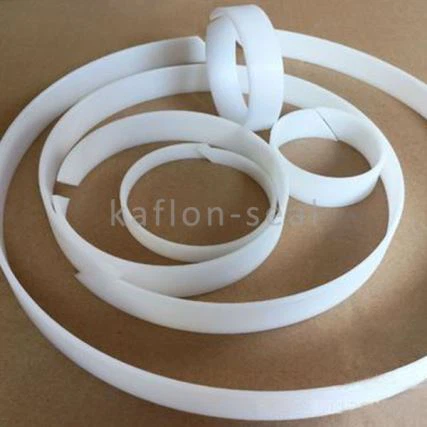
First off, let's talk a bit about PTFE guide rings. PTFE, or polytetrafluoroethylene, is a synthetic fluoropolymer known for its super - low friction coefficient, high chemical resistance, and excellent self - lubricating properties. These features make PTFE guide rings a popular choice in various industries, especially in hydraulic and pneumatic systems. They help to guide pistons and rods, reducing wear and tear and ensuring smooth operation.
Now, let's get to the main question: low - temperature performance. PTFE has some pretty good low - temperature characteristics. It has a very low glass transition temperature, which means it can maintain its flexibility and mechanical properties at lower temperatures compared to many other polymers. In general, PTFE guide rings can operate effectively in temperatures as low as - 200°C (- 328°F).
At low temperatures, the material properties of PTFE don't change dramatically. Its low friction coefficient remains relatively stable, which is crucial for the proper functioning of guide rings. They can still provide reliable guidance and support to moving parts, even when the environment is cold. This makes them suitable for applications in cold storage facilities, refrigeration systems, and even in some aerospace applications where components are exposed to extremely low temperatures.
However, it's not all sunshine and rainbows. There are a few things to keep in mind when using PTFE guide rings in low - temperature environments. One issue is brittleness. While PTFE can withstand low temperatures, it may become more brittle as the temperature drops. This means that it could potentially crack or break under high - stress conditions. So, if your application involves high - impact loads or sudden movements, you might need to be a bit more cautious.
Another factor to consider is the compatibility with other materials in the system. In a low - temperature environment, different materials may contract at different rates. This can lead to issues like misalignment or increased stress on the PTFE guide rings. It's important to ensure that all the components in the system are compatible and can work together smoothly at low temperatures.
Now, let's compare PTFE guide rings with some other types of guide rings in terms of low - temperature performance. For example, POM Guide Rings are also commonly used in hydraulic and pneumatic systems. POM, or polyoxymethylene, has good mechanical properties, but its low - temperature performance is not as good as PTFE. POM can become quite brittle at low temperatures, which may limit its use in cold environments.


POM Hydraulic Wiper is another product in the market. Similar to POM guide rings, POM hydraulic wipers may face challenges in low - temperature conditions. They might lose their flexibility and sealing properties, leading to potential leakage issues.
On the other hand, Hydraulic Polyurethane Wear Ring has its own set of characteristics. Polyurethane generally has good elasticity, but its performance can degrade at low temperatures. It may become stiffer, which can affect its ability to provide proper wear resistance and sealing.
So, in conclusion, PTFE guide rings can be used in low - temperature environments, but you need to be aware of their limitations. They offer a good balance of low - temperature performance, low friction, and chemical resistance. However, you should carefully evaluate your application requirements, including the temperature range, stress levels, and compatibility with other materials.
If you're considering using PTFE guide rings for your low - temperature application, I'd be more than happy to help. I've got a lot of experience in this field and can provide you with the right advice and products. Whether you need more information about the technical specifications or want to discuss a custom solution, feel free to reach out. We can have a chat and figure out the best way to meet your needs.
References
- "Handbook of Polytetrafluoroethylene (PTFE) and Related Fluoropolymers"
- Industry reports on hydraulic and pneumatic components