


 Popular Blog Posts


 Blog
BlogHey there! I'm a supplier of Pom Guide Rings, and today I wanna tackle a frequently asked question: Can Pom Guide Rings be used in food - processing equipment? Let's dig into this topic to give you a clear - cut answer.
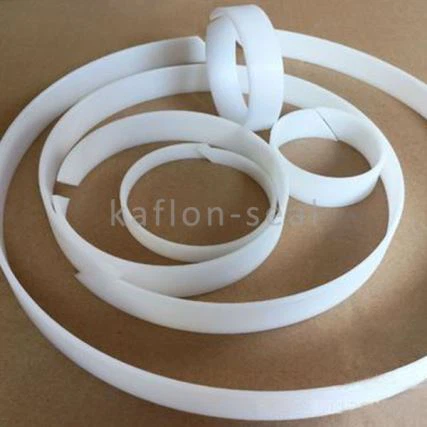
First off, let's understand what Pom Guide Rings are. Pom, also known as polyoxymethylene, is a high - performance engineering plastic. It's got some serious advantages. It's super rigid, has low friction, great wear resistance, and good dimensional stability. That's why it's widely used in a variety of industrial applications, like hydraulic systems, where Phenolic Fabric Guide Rings are also popular.
When it comes to food - processing equipment, there are strict criteria. The materials used need to comply with food safety regulations. These rules ensure that no harmful substances leach into the food, keeping consumers safe.
Now, let's talk about the pros and cons of using Pom Guide Rings in food - processing equipment.
Advantages
1. Hygiene
Pom is a relatively inert material. It doesn't absorb moisture easily, which means there's less chance for bacteria and fungi to grow on its surface. In food - processing environments, where cleanliness is king, this is a huge plus. A clean surface reduces the risk of food contamination.
2. Self - lubricating properties
Pom has self - lubricating features. This minimizes the need for additional lubricants. In food - processing, adding external lubricants can be a headache as they might contaminate the food. With Pom Guide Rings, the internal self - lubrication reduces the risk of this kind of contamination.
3. Durability
Food - processing equipment often runs continuously for long hours. Pom Guide Rings are tough and can withstand the wear and tear associated with high - speed operations. They have a long service life, which means less frequent replacement and lower maintenance costs. This durability also helps in maintaining the consistent performance of the equipment, ensuring that the food - processing process runs smoothly.
4. Dimensional stability
Pom maintains its shape and size even under different temperature and humidity conditions. In food - processing, where the equipment may be exposed to various environmental factors, this stability is essential. It ensures that the guide rings fit properly and function as intended, preventing any disruptions in the food - processing operations.
Disadvantages
1. Chemical compatibility
Although Pom is generally inert, it may not be compatible with all the chemicals used in food - processing. Some cleaning agents or food additives could potentially react with Pom, leading to the degradation of the material. This degradation might release small particles or chemicals that could contaminate the food.
2. Regulatory compliance
Meeting the food safety regulations can be a challenge. Different countries and regions have their own set of rules regarding the use of materials in food - processing. Ensuring that Pom Guide Rings comply with all these regulations can be time - consuming and costly. For example, some regulations require specific testing and certifications to prove that the material is safe for contact with food.
3. Cost
Compared to some other materials used in food - processing equipment, Pom Guide Rings can be more expensive. This cost factor might be a deterrent for some food - processing companies, especially small - scale ones, when considering the overall budget for equipment.


So, can Pom Guide Rings be used in food - processing equipment? The answer is yes, but with some conditions.
If the Pom Guide Rings are made from food - grade Pom materials and have passed the necessary food safety certifications, they can be a viable option. Food - grade Pom is specially formulated to meet the strict requirements of food - contact applications. It's been tested to ensure that it won't release any harmful substances into the food.
Before using Pom Guide Rings in food - processing equipment, food - processing companies should do their due diligence. They need to check the regulatory compliance of the rings, especially in their specific region. They should also consider the chemical environment in which the equipment operates to ensure that the Pom Guide Rings are chemically compatible.
It's also important for suppliers, like me, to provide clear information about the materials, manufacturing processes, and certifications of the Pom Guide Rings. This transparency helps food - processing companies make informed decisions.
When comparing Pom Guide Rings with other options, such as POM Hydraulic Wiper and Wear - resistant Guide Ring, the choice depends on the specific requirements of the food - processing equipment. If the equipment needs a part that can handle high - pressure and high - speed operations while maintaining food safety, Pom Guide Rings might be the right pick.
If you're in the food - processing industry and interested in exploring the possibility of using Pom Guide Rings in your equipment, I'd love to have a chat with you. I can provide detailed product information, samples for testing, and help you understand how our Pom Guide Rings can meet your food - safety and performance needs. Whether it's about regulatory compliance, cost - effectiveness, or any other concerns, we're here to work with you to find the best solution.
If you want to delve deeper into this topic or have any questions about our products, feel free to reach out. We're happy to assist you in making the right choice for your food - processing equipment.
References
- Plastics in Food Packaging and Processing, A Technical Guide.
- Food Safety Regulations: A Global Overview.