


 Popular Blog Posts


 Blog
BlogHey there! As a supplier of Polyurethanes Seal, I often get asked if polyurethanes seal can be bonded to other materials easily. Well, let's dig into this topic and find out.
First off, polyurethanes seal is an amazing material. It's got a whole bunch of great properties, like high abrasion resistance, good flexibility, and excellent chemical resistance. These features make it super popular in a wide range of industries, from automotive to manufacturing.
When it comes to bonding polyurethanes seal to other materials, it's not a one - size - fits - all situation. There are several factors that come into play.
Surface Preparation
The key to a successful bond is proper surface preparation. If the surfaces of both the polyurethanes seal and the other material aren't clean and free of contaminants, the bond won't hold up well. For example, if there's oil, grease, or dust on the surfaces, the adhesive or bonding agent won't be able to stick properly.
You can use solvents to clean the surfaces. Just make sure the solvent is compatible with both the polyurethanes seal and the other material. After cleaning, it's a good idea to roughen the surface a bit. This gives the bonding agent more area to grip onto. You can do this with sandpaper or a similar abrasive.
Compatibility of Materials
Not all materials are created equal when it comes to bonding with polyurethanes seal. Some materials have a natural affinity for polyurethanes, while others can be a real challenge.
Metals are often used in combination with polyurethanes seal. Metals like steel and aluminum can be bonded to polyurethanes seal quite well, especially after proper surface treatment. The key is to use an adhesive that's designed to bond plastics (polyurethanes is a type of plastic) to metals.
Plastics are a bit more complicated. Some plastics, like polyethylene and polypropylene, have low surface energy, which makes them difficult to bond. You might need to use special surface treatments or adhesives to get a good bond with these plastics.
Rubbers can also be bonded to polyurethanes seal. But just like with plastics, the type of rubber matters. Some rubbers are more compatible than others. You need to make sure the rubber and the polyurethanes seal have similar chemical properties for a strong bond.
Bonding Methods
There are a few different ways to bond polyurethanes seal to other materials.
Adhesive Bonding
This is one of the most common methods. There are all sorts of adhesives available on the market, each with its own set of properties. You need to choose an adhesive that's suitable for the materials you're working with and the application.
For example, if you're bonding polyurethanes seal to a metal in a high - temperature environment, you'll need an adhesive that can withstand those temperatures. Some adhesives cure quickly, while others take longer. You'll also need to consider factors like the strength of the bond, flexibility, and chemical resistance.
Thermal Bonding
Thermal bonding involves heating the polyurethanes seal and the other material to a certain temperature so that they melt and fuse together. This method is often used when you need a very strong and permanent bond.
However, thermal bonding has its limitations. You need to make sure the materials can withstand the heat without degrading. Also, it requires special equipment, like heat presses or ovens.
Mechanical Bonding
Mechanical bonding uses fasteners like screws, bolts, or clips to hold the polyurethanes seal and the other material together. This method is simple and doesn't require any adhesives or special equipment.
But mechanical bonding might not be suitable for all applications. It can leave gaps between the materials, which might not be acceptable in some cases, like in sealing applications where a tight seal is required.
Real - World Examples
Let's take a look at some real - world examples where bonding polyurethanes seal to other materials is important.
In the automotive industry, polyurethanes seal is often used to seal doors, windows, and other components. It needs to be bonded to metal or plastic parts to create a tight seal. If the bond fails, water and air can leak in, which can cause all sorts of problems, like rust and noise.
In the manufacturing of electronic devices, polyurethanes seal is used to protect sensitive components from dust, moisture, and other contaminants. It needs to be bonded to plastic or metal casings to create a protective barrier.
Our Products and Bonding
As a supplier of polyurethanes seal, we offer a variety of products that are designed to be easily bonded to other materials. For example, our Butane Resistance Customized PU Seal Ring is made with a special formulation that allows for good bonding with different materials.
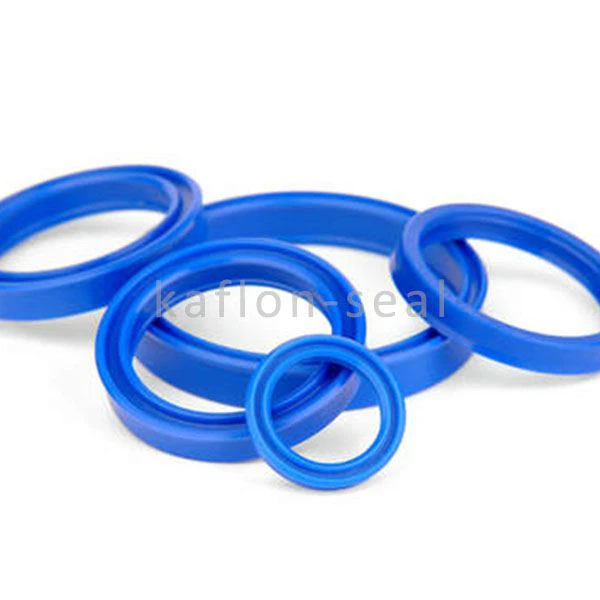
Our Blue Polyurethane seal is also engineered to have excellent bonding properties. It can be used in a wide range of applications, from industrial machinery to consumer products.
And our Butene Resistance PU Oring is another great option. It's resistant to butene and can be bonded to various materials to provide a reliable seal.
Conclusion
So, can polyurethanes seal be bonded to other materials easily? The answer is yes and no. With proper surface preparation, the right choice of materials and bonding methods, it's definitely possible to achieve a strong and reliable bond.
If you're in the market for polyurethanes seal and have questions about bonding it to other materials, don't hesitate to reach out. We're here to help you find the best solutions for your specific needs. Whether you're a small - scale manufacturer or a large - scale industrial company, we can provide you with high - quality polyurethanes seal products and advice on bonding.
Let's start a conversation about your requirements and see how we can work together to get the job done right.

References
- "Handbook of Adhesive Bonding" by Alan S. Abdel - Rahman
- "Polymer Science and Technology" by Joel R. Fried
- Various industry research papers on polyurethane bonding and material compatibility.