


 Popular Blog Posts



 Blog
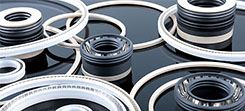
BlogHey there! As a supplier of hydraulic wiper seals, I often get asked whether these seals can be used in railway vehicle hydraulic systems. It's a great question, and in this blog, I'll dive deep into this topic to give you a clear answer.
First off, let's understand what hydraulic wiper seals are. These seals are designed to keep contaminants like dirt, dust, and moisture out of hydraulic cylinders. They're usually installed on the rod end of a cylinder, acting as a barrier between the outside environment and the internal hydraulic components. This is crucial because even the tiniest bit of dirt can cause significant damage to the hydraulic system over time.
Now, let's talk about railway vehicle hydraulic systems. These systems are used in various applications on trains, such as braking systems, suspension systems, and door opening mechanisms. They operate under some pretty extreme conditions. For example, railway vehicles travel long distances in different weather conditions, from scorching heat in the desert to freezing cold in the mountains. They also have to deal with vibrations, shocks, and high-pressure loads.
So, can hydraulic wiper seals cut it in these tough railway environments? The answer is yes, but with some important considerations.
One of the key factors is the material of the wiper seal. Most hydraulic wiper seals are made from materials like polyurethane or rubber. Polyurethane is a popular choice because it's tough, wear-resistant, and has good chemical resistance. It can withstand a wide range of temperatures, which is essential for railway applications. Rubber seals, on the other hand, are more flexible and can provide a better seal in some cases. However, they may not be as durable as polyurethane in high-wear situations.
Another important aspect is the design of the seal. Railway vehicle hydraulic systems require seals that can handle high speeds and pressures. The wiper seal needs to be able to follow the movement of the rod smoothly without causing excessive friction. A well-designed seal will also be able to maintain its shape and performance over a long period of time, even under constant use.
Let's take a look at how hydraulic wiper seals can benefit railway vehicle hydraulic systems.
Contamination Prevention: As I mentioned earlier, keeping contaminants out of the hydraulic system is crucial. By preventing dirt and moisture from entering the cylinder, the wiper seal helps to extend the life of other components in the system, such as Polyurethane Piston Seal For Static Application and Hydraulic Linear Rod Seal. This reduces the risk of breakdowns and costly repairs.
Leakage Prevention: A good wiper seal also helps to prevent hydraulic fluid from leaking out of the cylinder. This is important not only for the efficiency of the system but also for environmental reasons. Leaking hydraulic fluid can be a safety hazard and can cause damage to the railway infrastructure.
Improved Performance: By keeping the hydraulic system clean and free from leaks, the wiper seal helps to ensure that the system operates at its best. This means better braking performance, smoother suspension, and more reliable door opening and closing mechanisms.
However, it's not all smooth sailing. There are some challenges that need to be addressed when using hydraulic wiper seals in railway vehicle hydraulic systems.
Temperature Variations: As I mentioned, railway vehicles operate in a wide range of temperatures. The wiper seal needs to be able to maintain its performance across this temperature spectrum. Extreme cold can make the seal material brittle, while extreme heat can cause it to soften and lose its sealing properties.
Vibrations and Shocks: Railway vehicles are subject to constant vibrations and shocks. These forces can cause the seal to move or shift, which can lead to leaks or reduced sealing effectiveness. The seal needs to be designed to withstand these dynamic forces.
High-Speed Operation: The rods in railway vehicle hydraulic systems can move at high speeds. The wiper seal needs to be able to keep up with this movement without causing excessive wear or generating too much heat.
To overcome these challenges, it's important to choose the right hydraulic wiper seal for the specific application. This may involve working closely with a seal manufacturer to understand the requirements of the railway vehicle hydraulic system.
At our company, we offer a wide range of hydraulic wiper seals that are specifically designed for railway applications. Our seals are made from high-quality materials and are rigorously tested to ensure they meet the demanding requirements of the railway industry. We also offer custom solutions to meet the unique needs of our customers.
If you're in the market for hydraulic wiper seals for your railway vehicle hydraulic systems, or if you're interested in learning more about Polyurethane Piston Seal For Static Application, Hydraulic Linear Rod Seal, or Hydraulic Piston Seal, don't hesitate to reach out. We'd be happy to have a chat with you about your specific needs and help you find the right solution.


In conclusion, hydraulic wiper seals can definitely be used in railway vehicle hydraulic systems. With the right material, design, and application, they can provide reliable contamination and leakage prevention, as well as improved system performance. However, it's important to be aware of the challenges and choose the right seal for the job.
If you have any questions or need more information, feel free to drop us a line. We're here to help you keep your railway vehicle hydraulic systems running smoothly.
References
- "Hydraulic Seals Handbook" by John W. Smith
- "Railway Vehicle Hydraulic Systems: Design and Maintenance" by Emily Johnson
- Industry reports on railway vehicle components and hydraulic systems