


 Popular Blog Posts


 Blog
BlogCan hydraulic wear rings be used in low - speed applications? This is a question that often comes up in the hydraulic industry, and as a supplier of Hydraulic Wear Rings, I'm here to provide a detailed exploration of this topic.
Understanding Hydraulic Wear Rings
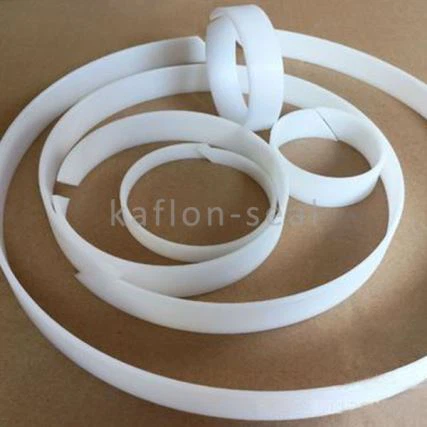
Before delving into their suitability for low - speed applications, let's first understand what hydraulic wear rings are. Hydraulic wear rings are components used in hydraulic cylinders to guide the piston or rod and prevent metal - to - metal contact. They are typically made of materials such as PTFE (Polytetrafluoroethylene), bronze, or other polymers. These materials offer excellent wear resistance, low friction, and good chemical stability, which are crucial for the proper functioning of hydraulic systems.
The main functions of hydraulic wear rings include:
- Guiding: They ensure that the piston or rod moves smoothly within the cylinder bore, maintaining proper alignment and preventing lateral movement that could cause damage to the seals and other components.
- Reducing Friction: By providing a low - friction surface between the moving parts, wear rings help to minimize energy losses and extend the service life of the hydraulic system.
- Protecting Seals: Wear rings act as a barrier, protecting the hydraulic seals from abrasion and wear caused by contaminants and uneven surfaces.
Characteristics of Low - Speed Applications
Low - speed applications in the hydraulic field are characterized by relatively slow movement of the piston or rod. This can be found in various industries, such as heavy machinery, construction equipment, and some industrial automation systems. In these applications, the operating speed might range from a few millimeters per second to a few centimeters per second.
Some of the key features of low - speed applications include:
- Low Kinetic Energy: With slower movement, the kinetic energy involved is relatively low. This means that the forces acting on the hydraulic components are different compared to high - speed applications.
- Potential for Stiction: Stiction, or static friction, can be a significant issue in low - speed applications. When the piston or rod starts to move from a stationary position, the static friction can be much higher than the dynamic friction, leading to jerky motion and potential damage to the system.
- Contaminant Accumulation: Since the movement is slow, there is a higher chance of contaminants settling on the surfaces of the wear rings and seals. This can increase the wear rate and reduce the performance of the hydraulic system.
Suitability of Hydraulic Wear Rings in Low - Speed Applications
Now, let's discuss whether hydraulic wear rings can be used in low - speed applications. The answer is yes, and here are the reasons:
1. Low - Friction Performance
One of the main advantages of hydraulic wear rings is their low - friction characteristics. In low - speed applications, where stiction can be a problem, the low - friction surface of the wear rings helps to overcome the static friction and ensure smooth movement. For example, PTFE - based wear rings have an extremely low coefficient of friction, which allows the piston or rod to start moving smoothly without sudden jerks.
2. Wear Resistance
Even at low speeds, the wear between the moving parts can still occur due to the presence of contaminants and the constant contact between the piston/rod and the cylinder bore. Hydraulic wear rings are designed to resist wear, protecting the other components of the hydraulic system. Bronze wear rings, for instance, are known for their high wear resistance and can withstand the abrasive action of contaminants over a long period.
3. Compatibility with Seals
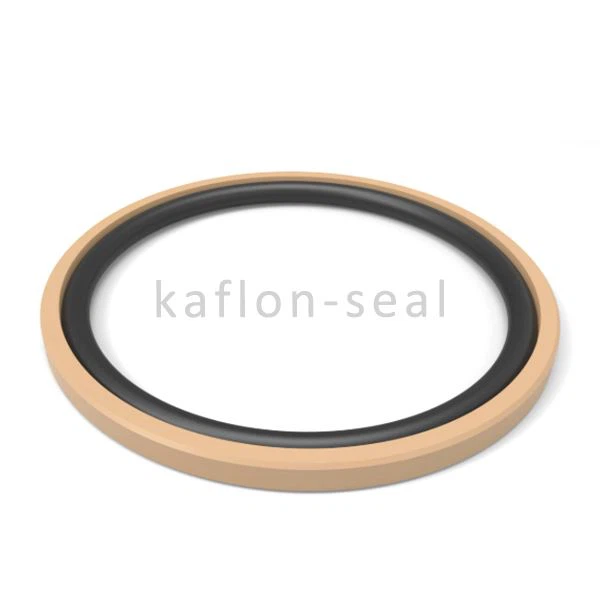
Hydraulic wear rings work in conjunction with hydraulic seals to ensure the proper functioning of the system. In low - speed applications, they help to protect the seals from damage caused by uneven surfaces and contaminants. For example, PTFE Glyd Seal For Hydraulic Sealing can work effectively when paired with appropriate wear rings. The wear rings prevent the seals from being exposed to excessive wear, thus extending the service life of the seals and the overall hydraulic system.

4. Guiding Function
The guiding function of hydraulic wear rings is crucial in low - speed applications. Since the movement is slow, maintaining proper alignment of the piston or rod is essential. Wear rings ensure that the piston or rod moves in a straight line, preventing misalignment that could lead to seal failure and other problems. This is especially important in applications where precision is required, such as in some industrial automation systems.
Considerations for Using Hydraulic Wear Rings in Low - Speed Applications
While hydraulic wear rings are suitable for low - speed applications, there are some considerations that need to be taken into account:
1. Material Selection
The choice of material for the wear rings is critical. Different materials have different properties, and the selection should be based on the specific requirements of the low - speed application. For example, if the application involves high loads and potential for contamination, a more wear - resistant material like bronze might be preferred. On the other hand, if low friction is the primary concern, PTFE - based wear rings could be a better choice.
2. Clearance
The clearance between the wear ring and the cylinder bore or the piston/rod is also important. In low - speed applications, an appropriate clearance needs to be maintained to ensure smooth movement and prevent excessive leakage. If the clearance is too small, it can lead to increased friction and potential jamming. If the clearance is too large, it can allow contaminants to enter and cause wear.
3. Lubrication
Proper lubrication is essential for the performance of hydraulic wear rings in low - speed applications. Lubrication helps to reduce friction, prevent stiction, and flush out contaminants. The type of lubricant used should be compatible with the wear ring material and the hydraulic fluid in the system.
Case Studies
To further illustrate the use of hydraulic wear rings in low - speed applications, let's look at some real - world case studies.
Case Study 1: Construction Equipment
In a large construction project, a hydraulic excavator was experiencing problems with the smooth operation of its boom and arm cylinders. The slow movement of these cylinders was causing jerky motion, which was affecting the accuracy of the excavation work. After inspecting the system, it was found that the original wear rings had worn out, and the seals were also damaged.
The maintenance team replaced the worn - out wear rings with new PTFE - based wear rings. These wear rings provided a low - friction surface, which helped to overcome the stiction and ensure smooth movement of the cylinders. In addition, the new wear rings protected the Hydraulic Linear Rod Seal from further damage, improving the overall performance of the hydraulic system.
Case Study 2: Industrial Automation
In an industrial automation system, a hydraulic press was used to perform precision stamping operations at a low speed. The press was experiencing issues with the alignment of the ram, which was leading to inconsistent stamping results. The problem was traced back to the wear rings, which had become worn and were no longer providing proper guidance.
By replacing the wear rings with high - quality bronze wear rings, the alignment of the ram was restored. The bronze wear rings were able to withstand the high loads and the abrasive action of the contaminants in the environment, ensuring the smooth and accurate operation of the hydraulic press.
Conclusion
In conclusion, hydraulic wear rings can indeed be used in low - speed applications. Their low - friction performance, wear resistance, guiding function, and ability to protect seals make them well - suited for these types of applications. However, proper material selection, clearance adjustment, and lubrication are essential to ensure their optimal performance.
If you are looking for high - quality hydraulic wear rings for your low - speed applications, we are here to help. As a professional supplier of hydraulic wear rings, we offer a wide range of products made from different materials to meet your specific requirements. Contact us for more information and to discuss your procurement needs. We look forward to working with you to improve the performance of your hydraulic systems.
References
- "Hydraulic Seals Handbook", John Wiley & Sons, Inc.
- "Fluid Power Technology", Prentice Hall
- Industry whitepapers on hydraulic system applications and wear ring technology.