


 Popular Blog Posts



 Blog
BlogAs a long - time supplier of hydraulic rod seals, I've encountered numerous inquiries from customers regarding the repair of damaged hydraulic rod seals. This topic is not only crucial for the maintenance of hydraulic systems but also has a significant impact on cost - effectiveness and operational efficiency. In this blog, I'll delve into the details of whether a damaged hydraulic rod seal can be repaired, the factors to consider, and the potential repair methods.
Understanding Hydraulic Rod Seals
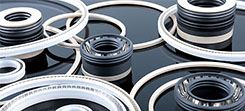
Before discussing the repair of damaged seals, it's essential to understand what hydraulic rod seals are and their functions. Hydraulic rod seals are a critical component in hydraulic cylinders. Their primary role is to prevent the leakage of hydraulic fluid from the cylinder and to keep contaminants out. This ensures the proper functioning of the hydraulic system, maintains pressure, and protects other components from damage.
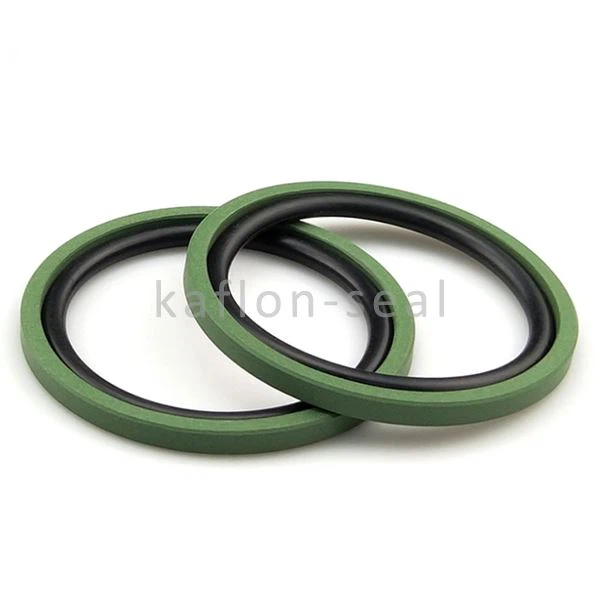
There are various types of hydraulic rod seals available in the market, each designed for specific applications. For instance, the PTFE Double Acting Rod Seal is known for its excellent chemical resistance and low friction properties, making it suitable for high - pressure and high - speed applications. The Linear Rod Seal is designed for linear motion applications, providing reliable sealing performance. And the Rod Sealing Step Seal is often used in applications where a stepped sealing surface is required.

Factors Affecting the Repairability of Hydraulic Rod Seals
The answer to whether a damaged hydraulic rod seal can be repaired is not straightforward. It depends on several factors:
Type and Degree of Damage
- Minor Wear and Tear: If the damage is minor, such as slight abrasions or surface scratches, there is a possibility of repair. In some cases, a simple re - machining or resurfacing of the seal can restore its functionality. For example, if the outer surface of the seal has a small scratch that is not deep enough to penetrate the sealing lip, a light sanding and proper lubrication might be sufficient to make it work again.
- Severe Damage: However, if the seal has significant cuts, tears, or has lost its original shape due to excessive pressure or temperature, repair may not be feasible. A severely damaged seal may not be able to maintain the required sealing pressure, leading to fluid leakage and potential system failure. For instance, if the sealing lip is completely torn off, it is very difficult to repair it to its original performance level.
Material of the Seal
- Elastomeric Seals: Elastomeric seals, such as those made of rubber, are more forgiving when it comes to minor damage. They can often be repaired using sealants or adhesives. For example, a small cut in a rubber seal can be patched up with a suitable rubber adhesive. However, the repair may not be as durable as a new seal, and the performance may degrade over time.
- PTFE and Other High - Performance Materials: Seals made of PTFE or other high - performance materials are more challenging to repair. These materials are often used in demanding applications where precision and high - performance are required. Any repair attempts may compromise their unique properties, such as low friction and chemical resistance.
Application Requirements
- Critical Applications: In critical applications, such as aerospace or medical equipment, repair of a damaged seal is generally not recommended. The safety and reliability requirements in these applications are extremely high, and using a repaired seal may pose a significant risk. For example, in an aircraft hydraulic system, a single leak caused by a repaired seal could have catastrophic consequences.
- Non - Critical Applications: In non - critical applications, such as some industrial machinery, repair of a damaged seal may be a viable option. If the consequences of a small leak are not severe and the cost of replacement is high, a repair can be considered as a temporary solution.
Potential Repair Methods
If the damage to the hydraulic rod seal is minor and repair is deemed feasible, the following methods can be considered:
Resurfacing
- For seals with minor surface damage, resurfacing can be an effective repair method. This involves using a fine - grit sandpaper or a specialized machining tool to remove the damaged layer of the seal. After resurfacing, the seal should be thoroughly cleaned and lubricated to ensure proper sealing performance. However, this method is only suitable for seals with very shallow damage.
Sealants and Adhesives
- As mentioned earlier, for elastomeric seals, sealants and adhesives can be used to repair small cuts and tears. There are various types of sealants available in the market, each designed for specific materials and applications. When using a sealant, it is important to follow the manufacturer's instructions carefully to ensure a proper bond. However, it should be noted that the strength and durability of the repair may be limited.
Re - Shaping
- In some cases, if the seal has lost its shape due to heat or pressure, re - shaping can be attempted. This usually requires specialized equipment and expertise. For example, a seal that has been deformed can be placed in a mold and heated to a specific temperature to restore its original shape. However, this method is only applicable to certain types of materials and may not be suitable for all seals.
Advantages and Disadvantages of Repairing Hydraulic Rod Seals
Advantages
- Cost Savings: Repairing a damaged seal is generally cheaper than replacing it with a new one. This can be especially beneficial for companies on a tight budget or in applications where the cost of replacement is high.
- Reduced Downtime: Repairing a seal can often be done more quickly than waiting for a new seal to be delivered. This can help to minimize the downtime of the hydraulic system, ensuring continuous operation.
Disadvantages
- Uncertain Performance: The performance of a repaired seal may not be as reliable as a new one. There is always a risk of leakage or failure, especially in high - pressure or high - temperature applications.
- Limited Lifespan: A repaired seal may have a shorter lifespan compared to a new seal. Over time, the repaired area may degrade, leading to further problems.
When to Replace Instead of Repair
- Frequent Failures: If a seal has failed multiple times, even after repair, it is a clear indication that it should be replaced. Frequent failures may suggest that the seal is not suitable for the application or that there are underlying problems in the hydraulic system.
- Safety Concerns: In applications where safety is a top priority, such as in heavy machinery or transportation equipment, it is always better to replace a damaged seal with a new one. A small leak in these applications can lead to serious accidents.
Conclusion
In conclusion, whether a damaged hydraulic rod seal can be repaired depends on various factors, including the type and degree of damage, the material of the seal, and the application requirements. While minor damage can sometimes be repaired using methods such as resurfacing, sealants, or re - shaping, the performance and durability of a repaired seal may be limited. In critical applications, replacement is usually the best option to ensure safety and reliability.
As a hydraulic rod seal supplier, I always recommend a careful assessment of the damage before deciding whether to repair or replace a seal. If you are facing a problem with a damaged hydraulic rod seal, feel free to contact us for professional advice. We have a team of experts who can help you make the right decision based on your specific situation. Whether you need a new seal or advice on repair, we are here to assist you.
References
- "Hydraulic Seals Handbook" by John M. Campbell.
- Various industry standards and technical documents related to hydraulic rod seals.