


 Popular Blog Posts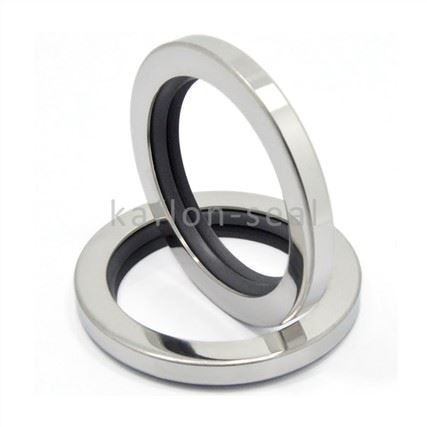



 Blog
BlogWhen it comes to industrial applications, rotary shaft seals play a crucial role in preventing the leakage of fluids and contaminants. As a leading supplier of rotary shaft seals, I often get asked about the environmental considerations associated with using these seals. In this blog post, I will delve into the various environmental aspects that need to be taken into account when using rotary shaft seals.
Material Selection and Environmental Impact
The choice of materials for rotary shaft seals has a significant impact on the environment. Traditional rubber seals, such as nitrile rubber (NBR), are widely used due to their excellent sealing properties and relatively low cost. However, the production of rubber involves the use of various chemicals and energy-intensive processes, which can have a negative impact on the environment.
On the other hand, seals made from Polytetrafluoroethylene (PTFE) offer several environmental advantages. PTFE is a highly inert material that is resistant to a wide range of chemicals, temperatures, and pressures. It has a low friction coefficient, which reduces energy consumption and wear on the shaft. Additionally, PTFE is non-toxic and does not release harmful substances into the environment. For more information on Radial Shaft Seals With PTFE Lips, you can visit our website.


Energy Efficiency and Environmental Sustainability
Energy efficiency is a key consideration in today's industrial landscape. Rotary shaft seals that have a low friction coefficient can help reduce energy consumption in machinery. When a seal has a high friction coefficient, it requires more energy to rotate the shaft, which not only increases operating costs but also contributes to higher carbon emissions.
PTFE lip seals, for example, have extremely low friction coefficients compared to traditional rubber seals. This means that less energy is required to drive the shaft, resulting in significant energy savings over time. By choosing seals with low friction coefficients, such as our PTFE Lip Seal, industries can reduce their environmental footprint and contribute to a more sustainable future.
Waste Reduction and Recycling
Another important environmental consideration is waste reduction and recycling. In many industrial applications, seals need to be replaced periodically due to wear and tear. This can result in a significant amount of waste if the seals are not properly disposed of or recycled.
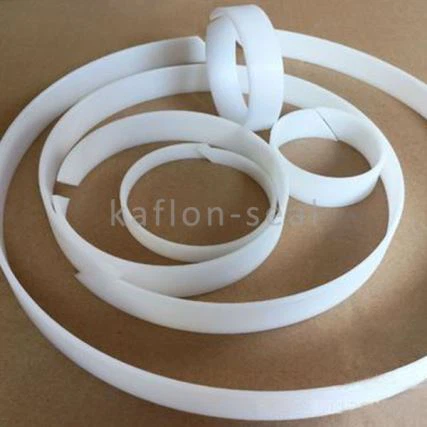
As a responsible supplier, we are committed to promoting waste reduction and recycling. Our PTFE seals are designed to have a long service life, which reduces the frequency of replacement and minimizes waste generation. Additionally, PTFE is a recyclable material, and we encourage our customers to recycle their used seals whenever possible. For more details on the Friction Coefficients PTFE Oil Seal Seal and its recyclability, please refer to our website.
Chemical Compatibility and Environmental Safety
Rotary shaft seals are often used in applications where they come into contact with various chemicals and fluids. It is essential to choose seals that are compatible with the specific chemicals to prevent leakage and ensure environmental safety.
PTFE seals are known for their excellent chemical resistance, making them suitable for a wide range of applications. They can withstand exposure to aggressive chemicals, acids, and solvents without deteriorating or releasing harmful substances. This not only protects the machinery but also prevents environmental contamination.
End-of-Life Considerations
When rotary shaft seals reach the end of their service life, proper disposal is crucial to minimize their environmental impact. Seals made from traditional rubber materials may contain harmful chemicals that can leach into the soil and water if not disposed of correctly.
In contrast, PTFE seals are more environmentally friendly at the end of their life. They can be recycled or disposed of in an environmentally responsible manner. By choosing PTFE seals, industries can ensure that they are taking the necessary steps to protect the environment even after the seals have served their purpose.
Conclusion
In conclusion, there are several important environmental considerations when using rotary shaft seals. Material selection, energy efficiency, waste reduction, chemical compatibility, and end-of-life disposal all play a role in minimizing the environmental impact of these seals.
As a supplier of rotary shaft seals, we are dedicated to providing our customers with high-quality, environmentally friendly products. Our PTFE seals offer numerous advantages in terms of energy efficiency, chemical resistance, and recyclability. By choosing our seals, you can not only improve the performance of your machinery but also contribute to a more sustainable future.
If you are interested in learning more about our rotary shaft seals or would like to discuss your specific requirements, please feel free to contact us. We are here to help you make the right choice for your application and ensure that you are taking the necessary steps to protect the environment.
References
- "Materials Science and Engineering: An Introduction" by William D. Callister Jr. and David G. Rethwisch
- "Handbook of Seal Technology" by John H. Birk
- Industry reports on environmental sustainability in industrial applications