


 Popular Blog Posts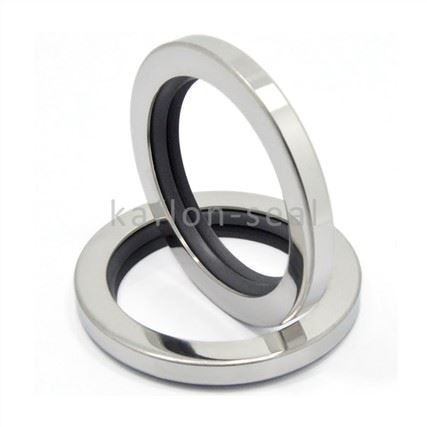



 Blog
BlogAs a supplier of Rotary Glyd Rings, I often encounter various technical inquiries from customers. One of the frequently asked questions is whether Rotary Glyd Rings are resistant to ozone. In this blog post, I will delve into this topic, exploring the properties of Rotary Glyd Rings and their performance in ozone - rich environments.


Understanding Rotary Glyd Rings
Rotary Glyd Rings are a type of sealing device commonly used in rotary applications. They are designed to provide effective sealing between a rotating shaft and a housing, preventing the leakage of fluids such as oil, water, or gas. These seals are made from a combination of materials, typically including a PTFE (polytetrafluoroethylene) sealing element and an elastomeric energizer.
PTFE is a well - known material in the sealing industry due to its excellent chemical resistance, low friction coefficient, and high temperature resistance. The elastomeric energizer, on the other hand, provides the necessary pre - load to keep the PTFE sealing element in contact with the shaft and housing, ensuring a reliable seal.
The Nature of Ozone
Ozone (O₃) is a highly reactive gas composed of three oxygen atoms. It is a powerful oxidizing agent, which means it has a strong tendency to react with other substances. Ozone can be found in the Earth's atmosphere, particularly in the stratosphere where it forms the ozone layer that protects the planet from harmful ultraviolet radiation. However, it can also be present at ground - level, often as a result of air pollution, electrical discharges, or chemical reactions in industrial processes.
Exposure to ozone can have detrimental effects on many materials. It can cause cracking, embrittlement, and degradation of polymers, elastomers, and other organic substances. When materials are exposed to ozone, the ozone molecules react with the chemical bonds in the material, breaking them down and altering the material's physical and mechanical properties.
Ozone Resistance of Rotary Glyd Rings
The ozone resistance of Rotary Glyd Rings depends largely on the materials used in their construction. As mentioned earlier, the two main components of a Rotary Glyd Ring are the PTFE sealing element and the elastomeric energizer.
PTFE Sealing Element
PTFE is known for its exceptional chemical resistance, and this includes resistance to ozone. The carbon - fluorine bonds in PTFE are very strong, making it highly resistant to oxidation and chemical attack. Ozone molecules are unable to break these bonds easily, so the PTFE sealing element of a Rotary Glyd Ring can withstand ozone exposure without significant degradation.
In fact, PTFE is often used in applications where exposure to harsh chemicals, including ozone, is expected. For example, in some industrial processes where ozone is used for water treatment or air purification, PTFE seals are commonly employed to ensure reliable operation. The PTFE sealing element in a Rotary Glyd Ring provides a stable and long - lasting sealing surface even in ozone - rich environments.
Elastomeric Energizer
The elastomeric energizer in a Rotary Glyd Ring is more vulnerable to ozone attack compared to the PTFE sealing element. Elastomers are polymers with a high degree of flexibility and elasticity, which is achieved through the presence of unsaturated carbon - carbon double bonds in their molecular structure. Ozone can react with these double bonds, causing cross - linking or chain scission, which leads to changes in the elastomer's properties such as hardness, elasticity, and sealing performance.
However, not all elastomers are equally susceptible to ozone. Some elastomers, such as EPDM (ethylene propylene diene monomer), are known for their good ozone resistance. EPDM has a low degree of unsaturation in its molecular structure, which makes it less reactive with ozone. When an EPDM elastomer is used as the energizer in a Rotary Glyd Ring, it can provide a reasonable level of ozone resistance.
Testing and Performance Evaluation
To determine the ozone resistance of Rotary Glyd Rings, various testing methods can be employed. One common method is the ozone chamber test, where the seals are exposed to a controlled ozone environment at a specific concentration and temperature for a certain period of time. After the exposure, the seals are inspected for signs of degradation, such as cracking, discoloration, or changes in hardness.
Another approach is to conduct field tests in real - world applications where ozone is present. This allows for the evaluation of the seals' performance under actual operating conditions. By monitoring the sealing performance over time, any issues related to ozone degradation can be identified and addressed.
Applications Requiring Ozone Resistance
There are several industries and applications where ozone resistance is a critical requirement for Rotary Glyd Rings.
Medical Equipment
In the medical field, ozone is sometimes used for sterilization and disinfection purposes. [Medical Equipment Rotary PTFE POB Oil Seal](/rotary - shaft - seals/medical - equipment - rotary - ptfe - pob - oil - seal.html) are used in medical devices such as ozone generators, ventilators, and anesthesia machines. These seals need to be resistant to ozone to ensure the proper functioning of the equipment and to prevent the leakage of ozone, which can be harmful to patients and medical staff.
Aerospace
In the aerospace industry, ozone is present in the upper atmosphere. Rotary Glyd Rings used in aircraft engines, hydraulic systems, and other components need to be able to withstand ozone exposure to ensure the reliability and safety of the aircraft. The high - performance PTFE - based seals can provide the necessary ozone resistance in these demanding applications.
Industrial Manufacturing
Industrial processes such as water treatment, semiconductor manufacturing, and chemical processing may involve the use of ozone. [PTFE Lip Seal](/rotary - shaft - seals/ptfe - lip - seal.html) and other types of Rotary Glyd Rings are used in pumps, valves, and other equipment in these processes. Ozone resistance is essential to prevent seal failure and to maintain the efficiency of the industrial operations.
Conclusion
In summary, Rotary Glyd Rings can have good ozone resistance, mainly due to the ozone - resistant properties of the PTFE sealing element. However, the choice of elastomeric energizer also plays a crucial role in determining the overall ozone resistance of the seal. By selecting an appropriate elastomer with good ozone resistance, such as EPDM, the seals can perform well in ozone - rich environments.
If you are in need of Rotary Glyd Rings for applications where ozone resistance is required, we are here to provide you with high - quality products. Our team of experts can help you select the most suitable seals based on your specific requirements. Whether it's for medical equipment, aerospace, or industrial manufacturing, we have the expertise and products to meet your needs. Contact us for more information and to start a procurement negotiation.
References
- "Handbook of Elastomers", Second Edition, Edited by James E. Mark, Burak Erman, and Charles L. Roth
- "PTFE and Fluorinated Polymers: Properties, Processing, and Applications", by John Scheirs and Thomas M. Kemmer