


 Popular Blog Posts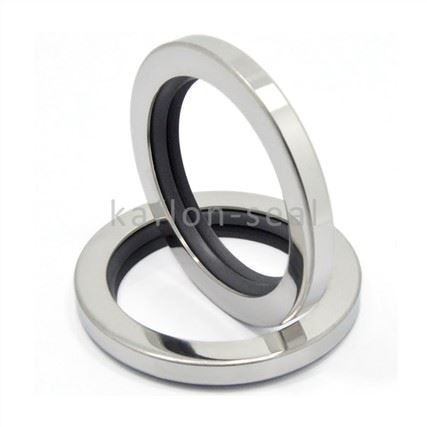


 Blog
BlogIn the world of mechanical engineering and industrial applications, the choice of the right components can significantly impact the performance and longevity of machinery. One such crucial component is the radial oil seal. These seals play a vital role in preventing the leakage of lubricants and the ingress of contaminants in various rotating equipment. However, a common question that arises is whether radial oil seals are suitable for high - speed applications. As a radial oil seal supplier, I am here to delve into this topic and provide you with a comprehensive analysis.
Understanding Radial Oil Seals
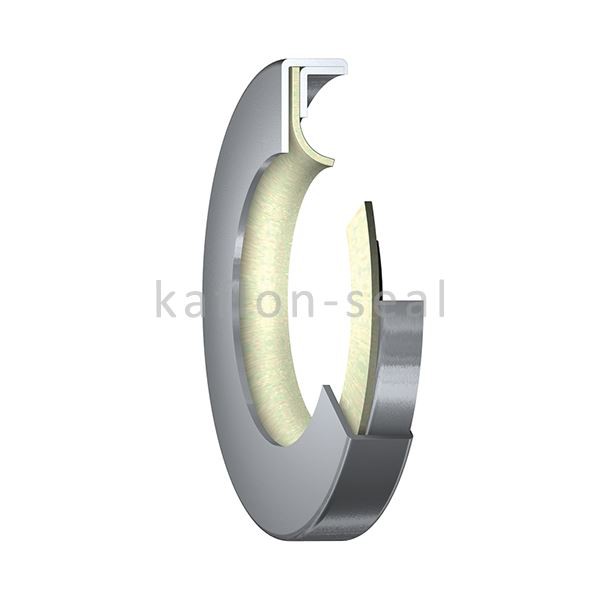
Radial oil seals, also known as rotary shaft seals, are designed to seal the gap between a rotating shaft and a stationary housing. They typically consist of a metal case, a sealing lip made of elastomeric material (such as nitrile rubber, fluorocarbon rubber, or silicone), and sometimes a garter spring to provide additional radial force on the sealing lip. The primary function of a radial oil seal is to retain lubricants within the system and prevent the entry of dirt, dust, and other contaminants that could damage the machinery.
Factors Affecting the Suitability of Radial Oil Seals for High - Speed Applications
1. Material Selection
The choice of material for the sealing lip is of utmost importance in high - speed applications. Elastomeric materials like nitrile rubber (NBR) are commonly used due to their good chemical resistance and low cost. However, at high speeds, NBR may experience excessive heat generation due to friction, which can lead to premature wear and failure of the seal.
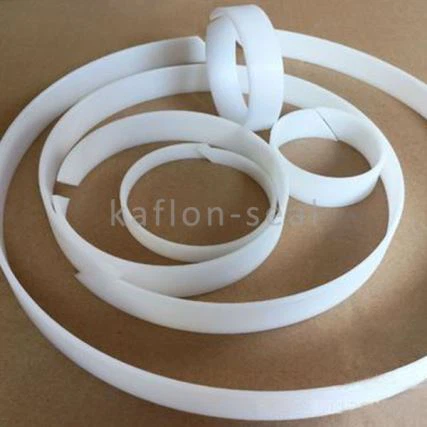
On the other hand, polytetrafluoroethylene (PTFE) is an excellent material for high - speed applications. PTFE has a very low friction coefficient, which reduces heat generation and wear. It also has excellent chemical resistance and can withstand a wide range of temperatures. For more information on friction coefficients of PTFE oil seals, you can visit Friction Coefficients PTFE Oil Seal Seal.
2. Heat Generation
High - speed rotation generates a significant amount of heat due to friction between the sealing lip and the shaft. If the heat is not dissipated effectively, it can cause the elastomeric material of the seal to soften, lose its elasticity, and eventually fail. To mitigate this issue, some radial oil seals are designed with special features such as heat - dissipating fins or cooling channels. Additionally, using a lubricant with good thermal properties can also help in reducing heat build - up.
3. Centrifugal Forces
At high speeds, centrifugal forces can cause the sealing lip to deform. This deformation can lead to a loss of contact between the lip and the shaft, resulting in leakage. To counteract the effects of centrifugal forces, the design of the seal must be optimized. For example, the garter spring can be designed to provide sufficient radial force even at high speeds to maintain the contact between the lip and the shaft.
4. Shaft Surface Finish
The surface finish of the shaft has a direct impact on the performance of the radial oil seal. A rough shaft surface can cause excessive wear on the sealing lip, especially at high speeds. Therefore, it is essential to ensure that the shaft has a smooth surface finish. A surface roughness of Ra 0.2 - 0.8 micrometers is generally recommended for optimal seal performance.
Advantages of Using Radial Oil Seals in High - Speed Applications
1. Cost - Effectiveness
Compared to some other types of seals used in high - speed applications, radial oil seals are relatively inexpensive. This makes them a popular choice for many industries where cost is a significant factor.
2. Easy Installation
Radial oil seals are relatively easy to install, which reduces the downtime during maintenance or replacement. This is especially important in high - speed applications where minimizing downtime is crucial for productivity.
3. Versatility
Radial oil seals can be used in a wide range of applications, from automotive engines to industrial machinery. They can be customized to meet the specific requirements of different applications, such as different shaft diameters, operating temperatures, and pressure conditions.
Applications of Radial Oil Seals in High - Speed Equipment
1. Automotive Industry
In automotive engines, radial oil seals are used to seal the crankshaft, camshaft, and other rotating components. These components operate at high speeds, and the seals must be able to withstand the associated heat and centrifugal forces. For example, in a high - performance sports car engine, the radial oil seals play a crucial role in maintaining the integrity of the lubrication system and preventing oil leakage.
2. Aerospace Industry
In aerospace applications, such as jet engines and helicopter transmissions, radial oil seals are used to seal various rotating components. These applications require seals that can operate at extremely high speeds and in harsh environments. The seals must be able to withstand high temperatures, pressures, and the presence of aggressive chemicals.

3. Industrial Machinery
In industrial machinery, such as pumps, compressors, and electric motors, radial oil seals are used to prevent the leakage of lubricants and the ingress of contaminants. These machines often operate at high speeds, and the seals must be able to provide reliable sealing performance over an extended period.
Our Solutions as a Radial Oil Seal Supplier
As a leading radial oil seal supplier, we offer a wide range of products suitable for high - speed applications. Our seals are made from high - quality materials, including PTFE, to ensure excellent performance and durability. We have a team of experienced engineers who can work with you to design and develop custom - made seals to meet your specific requirements.
We also offer seals with advanced features such as dynamic sealing capabilities. Our Dynamic Sealing Rotary Shaft Seal Ring is designed to provide reliable sealing performance even under high - speed and dynamic conditions. Additionally, our Radial Shaft Seals With PTFE Lips are ideal for applications where low friction, high - temperature resistance, and chemical resistance are required.
Conclusion
In conclusion, radial oil seals can be suitable for high - speed applications if the right material, design, and installation practices are employed. While there are challenges associated with using radial oil seals at high speeds, such as heat generation and centrifugal forces, these can be overcome through proper engineering and material selection.
If you are in need of radial oil seals for high - speed applications, we invite you to contact us for a detailed discussion. Our team of experts will be happy to assist you in selecting the right seal for your specific needs. Whether you are in the automotive, aerospace, or industrial machinery industry, we have the solutions to meet your requirements.
References
- "Handbook of Seal Technology" by John H. Bickford
- "Sealing Technology for Rotating Equipment" by Robert A. Duffy
- "Mechanical Seals and Their Applications" by A. R. Lebeck