


 Popular Blog Posts



 Blog
BlogAs a supplier of POM Guide Rings, I often get asked a bunch of questions from customers. One of the most common ones is, "Are POM Guide Rings resistant to chemicals?" Well, let's dive right into this topic and break it down.
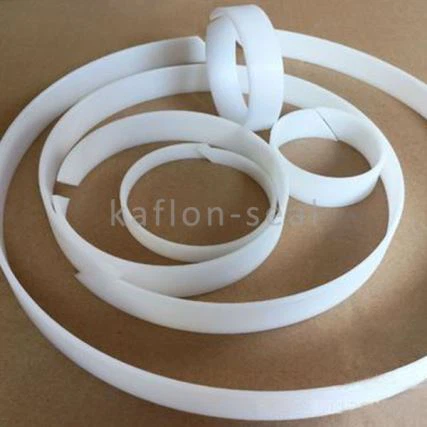
First off, let's understand what POM Guide Rings are. POM, which stands for Polyoxymethylene, is a high - performance engineering plastic. It's known for its excellent mechanical properties like high stiffness, low friction, and good dimensional stability. These properties make POM Guide Rings a popular choice in various industries, especially in hydraulic and pneumatic systems. You can learn more about them on our POM Guide Rings page.
Now, when it comes to chemical resistance, it's not a one - size - fits - all answer. Different chemicals have different effects on POM Guide Rings. POM has a decent resistance to many common solvents and weak acids and bases. For example, it can withstand exposure to water, alcohols, and some mild detergents without significant damage. This makes it suitable for applications where it might come into contact with these substances.
However, POM is not invincible. It has its limitations. Strong acids and bases can cause problems. Concentrated sulfuric acid or sodium hydroxide, for instance, can react with POM and degrade its structure over time. The acid or base can break the chemical bonds in the POM polymer, leading to a loss of its mechanical properties. This might result in swelling, cracking, or a decrease in strength, which can ultimately affect the performance of the guide ring.
Oxidizing agents are also a concern. Hydrogen peroxide and some chlorine - based compounds can oxidize the POM material. Oxidation can change the surface properties of the guide ring, making it rougher and increasing friction. In a hydraulic system, increased friction can lead to higher energy consumption, more wear on other components, and potentially even system failure.
Another factor to consider is the temperature. Chemical reactions generally occur faster at higher temperatures. So, if your POM Guide Rings are exposed to chemicals at elevated temperatures, the degradation process can be accelerated. Even a chemical that the POM can tolerate at room temperature might cause damage when the temperature goes up.
Now, let's compare POM Guide Rings with some other types of guide rings in terms of chemical resistance. PTFE Guide Rings are known for their outstanding chemical resistance. PTFE, or Polytetrafluoroethylene, can withstand a wide range of chemicals, including strong acids, bases, and solvents. It has a very low surface energy and is highly inert, which means it doesn't react easily with other substances. In contrast, POM Guide Rings have a more limited chemical resistance profile.
On the other hand, Hydraulic Polyurethane Wear Ring has different chemical resistance characteristics. Polyurethane is resistant to some oils and fuels, but it can be attacked by certain solvents and chemicals. POM and polyurethane have different strengths and weaknesses when it comes to chemical exposure, and the choice between them depends on the specific application and the chemicals they will encounter.


When using POM Guide Rings in an environment where they might be exposed to chemicals, it's important to take some precautions. First, you need to know exactly what chemicals are present. Do a chemical compatibility analysis to make sure the POM can handle them. If possible, try to isolate the guide rings from direct contact with the chemicals. You can use barriers or protective coatings to reduce the risk of chemical attack.
Regular inspection is also crucial. Check the guide rings for any signs of damage, such as discoloration, swelling, or cracking. If you notice any problems early on, you can replace the guide rings before they cause more serious issues in the system.
In conclusion, POM Guide Rings have a certain level of chemical resistance, but it's far from universal. They are suitable for many applications where they will encounter mild chemicals, but in environments with strong acids, bases, or oxidizing agents, you need to be more cautious. If you're in the process of selecting guide rings for your project, make sure to consider the chemical environment carefully.
If you're interested in purchasing POM Guide Rings or have any questions about their chemical resistance or other properties, don't hesitate to get in touch. We're here to help you make the right choice for your specific needs. Whether you're in the hydraulic, pneumatic, or any other industry that requires high - performance guide rings, we can provide you with the best solutions.
References
- "Engineering Plastics Handbook"
- "Chemical Compatibility Charts for Polymers"