


 Popular Blog Posts



 Blog
BlogPolyurethane seals are widely recognized for their excellent mechanical properties, high abrasion resistance, and good chemical stability, making them a popular choice in various industrial applications. However, when it comes to using them in conjunction with rubber materials, compatibility becomes a crucial consideration. As a polyurethane seal supplier, I've encountered numerous inquiries about this topic, and in this blog, I'll delve into the compatibility between polyurethane seals and rubber materials.
Understanding Polyurethane Seals
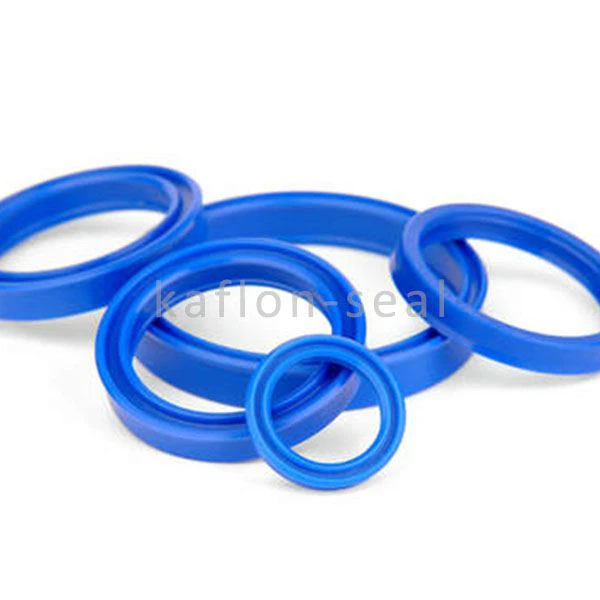
Polyurethane is a versatile polymer that can be formulated into different types of seals, such as Propane Resistance PU Seal Ring, Blue Polyurethane seal, and Gasoline Resistance MPU Seal. These seals offer exceptional performance in terms of wear resistance, tear strength, and load-bearing capacity. They are commonly used in hydraulic and pneumatic systems, automotive engines, and industrial machinery.

Compatibility Factors
The compatibility between polyurethane seals and rubber materials depends on several factors, including chemical composition, temperature, pressure, and the presence of chemicals or fluids.
Chemical Composition
Polyurethane and rubber have different chemical structures, which can affect their compatibility. For example, some types of rubber, such as natural rubber, are more susceptible to swelling and degradation when in contact with certain chemicals or solvents. Polyurethane, on the other hand, is generally more resistant to a wider range of chemicals. However, if the polyurethane seal contains additives or plasticizers that are incompatible with the rubber material, it can lead to chemical reactions and deterioration of the seal and rubber components.
Temperature
Temperature is another critical factor that can influence the compatibility of polyurethane seals and rubber materials. Polyurethane has a relatively high thermal stability compared to some types of rubber. At elevated temperatures, rubber materials may experience softening, melting, or degradation, while polyurethane seals can maintain their mechanical properties. However, extreme temperature fluctuations can also cause differential expansion and contraction between the two materials, leading to stress and potential failure of the seal.
Pressure
The pressure in the application environment can also impact the compatibility of polyurethane seals and rubber materials. High-pressure conditions can cause the materials to deform or extrude, especially if they have different hardness and elasticity. Polyurethane seals are known for their high-pressure resistance, but if the rubber material cannot withstand the same pressure, it may lead to seal failure and leakage.
Chemicals and Fluids
The presence of chemicals or fluids in the application can significantly affect the compatibility of polyurethane seals and rubber materials. Some chemicals, such as oils, fuels, and solvents, can cause swelling, softening, or degradation of rubber materials. Polyurethane seals are generally more resistant to these chemicals, but certain formulations may still be affected. It is essential to consider the chemical compatibility of both materials with the specific chemicals or fluids present in the application.
Compatibility Testing
To ensure the compatibility of polyurethane seals and rubber materials, it is recommended to conduct compatibility testing. This involves exposing samples of the seal and rubber materials to the expected operating conditions, including temperature, pressure, and chemicals. The samples are then evaluated for changes in physical properties, such as hardness, swelling, and tensile strength. Based on the test results, appropriate material selections can be made to ensure the long-term performance and reliability of the sealing system.
Practical Applications
In many practical applications, polyurethane seals and rubber materials are used together to achieve optimal sealing performance. For example, in automotive engines, polyurethane seals are often used in combination with rubber gaskets to prevent oil and coolant leakage. The polyurethane seal provides excellent wear resistance and sealing performance, while the rubber gasket provides flexibility and conformability. In hydraulic systems, polyurethane seals are used in conjunction with rubber O-rings to ensure reliable sealing under high-pressure conditions.
Conclusion
In conclusion, the compatibility between polyurethane seals and rubber materials depends on various factors, including chemical composition, temperature, pressure, and the presence of chemicals or fluids. While polyurethane seals offer many advantages in terms of performance and durability, it is essential to carefully consider the compatibility with rubber materials to ensure the long-term reliability of the sealing system. Compatibility testing is recommended to determine the suitability of the materials for the specific application.
As a polyurethane seal supplier, we have extensive experience in providing high-quality seals for various industries. Our team of experts can help you select the most appropriate polyurethane seal and rubber material combination for your application. If you have any questions or need further information, please feel free to contact us for procurement and negotiation. We look forward to working with you to meet your sealing needs.
References
- "Polyurethane Elastomers: Chemistry, Technology, and Applications" by J. H. Saunders and K. C. Frisch
- "Rubber Technology: Compounding, Testing, and Applications" by Maurice Morton
- "Sealing Technology Handbook" by John H. Bickford