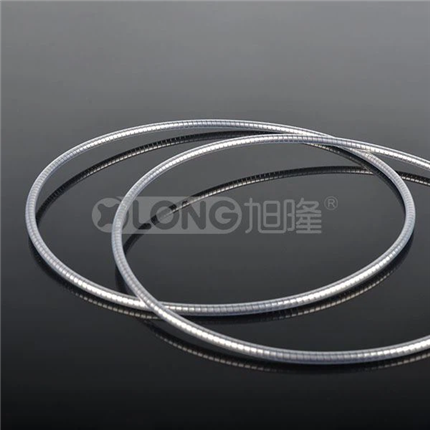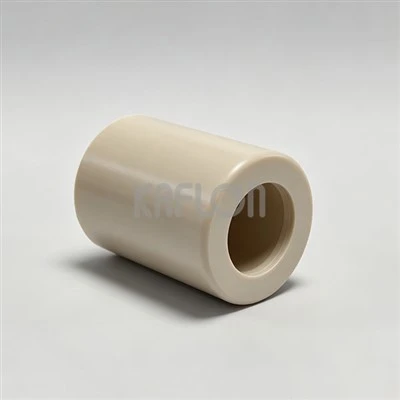

Spring Energized Seals have become a critical sealing solution in various industrial sectors due to their exceptional ability to perform under extreme conditions. The success of these seals is largely attributed to the advanced materials used in their construction. These materials provide the seals with superior mechanical properties, chemical resistance, and temperature stability, enabling them to excel in high-pressure, high-speed, and harsh environments.
Common Materials and Their Properties
PTFE (Polytetrafluoroethylene) and Its Composites PTFE is one of the most commonly used materials in Spring Energized Seals due to its extremely low friction coefficient, excellent chemical resistance, and broad temperature range. However, pure PTFE lacks mechanical strength and wear resistance. To address these shortcomings, PTFE is often combined with other materials such as glass fibers, carbon fibers, or bronze, significantly enhancing its strength, wear resistance, and creep resistance. This makes it reliable for use in industrial equipment where high performance is required.
PEEK (Polyetheretherketone) PEEK is a high-performance engineering plastic known for its outstanding mechanical strength, thermal stability, and chemical resistance. PEEK maintains its rigidity and dimensional stability under high temperatures and pressures, making it an ideal material for seals that need to perform reliably in extreme operating conditions. Additionally, PEEK's resistance to chemical attack ensures long-term durability in harsh industrial environments.
UHMWPE (Ultra-High Molecular Weight Polyethylene) UHMWPE is prized for its excellent wear resistance, low friction coefficient, and high impact strength. In Spring Energized Seals, UHMWPE excels in environments where high abrasion and low temperatures are factors. Its unique molecular structure allows it to retain flexibility and effectiveness in demanding conditions, making it a key material for high-performance seals.
FKM (Fluoroelastomer) FKM is a fluoroelastomer material renowned for its high-temperature resistance and chemical durability. It is widely used in Spring Energized Seals that operate in hot, oily, and chemically aggressive environments. FKM's ability to resist degradation in such conditions makes it a preferred choice in industries like oil and gas and chemical processing, where seals must withstand harsh media and extreme temperatures.
Material Innovation Driving Seal Technology Forward
As industrial applications continue to evolve, material innovation remains a key driver in enhancing the performance of Spring Energized Seals. The development of new composite materials and advanced manufacturing techniques allows seals to meet increasingly complex and demanding operational requirements. Additionally, the industry is seeing a growing trend towards environmentally sustainable materials, contributing to the green transformation of sealing technology.
Conclusion
The widespread success of Spring Energized Seals in industrial applications is deeply rooted in the continuous innovation and optimization of advanced materials. These materials provide the necessary performance characteristics to ensure the stable operation of industrial equipment under challenging conditions. As material science progresses, Spring Energized Seals will play an even more critical role in supporting the ongoing advancement of industrial technologies.
If you have any questions regarding material selection for Spring Energized Seals, our team of experts is ready to assist you. We offer tailored solutions to ensure your equipment performs optimally in any complex operating environment.