 Products
 Spring Energized Seal
Seals for Cryogenic Ball Valve
Production Introduction
In LNG operations, valves can regularly encounter temperatures below -320 F (-196 C) and pressures above 750 pounds per square inch (psi). They are also subjected to periodic variations in temperatures known as “thermal cycling,” which can result in hardware expansion as well as shrinkage and material stresses. These factors make reliable, long-term valve operation an engineering challenge.
Efficient, reliable valve performance is critical to the success of any LNG/CNG operation, and seals play a central role in keeping valves up and running. But their job is made difficult by the demanding service conditions.
Sealing success factors:
To provide superior protection against leakage in cryogenic valves for LNG, seals should have:
1. Jacket material that tolerates thermal cycling
2. An energizer to compensate for shrinkage
3. Anti-extrusion lip geometry
They can actually offer a considerably better sealing service than competing technologies, such as metallic seals, elastomeric seals, and packings—especially in dynamic applications—with the proper material composition and design. In fact, engineers can improve valve performance by using the proper polymer seals.
Sealing at cryogenic temperatures has its own unique set of challenges. KAFLON has a wide range of solutions for cryogenic sealing applications and would able to provide customized design according to your demands. Cryogenic seals require skillful design by combining the right type of material, seal configuration, and spring energizer to overcome the dimensional fluctuation of all mating parts.
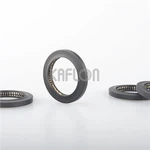
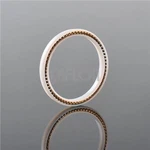
The HS series spring energized seal can function for an extended period of time in an environment with low temperatures of -196 ° and corrosive substances. The spring supplies initial pre pressure when the system pressure is zero. The U-shaped cavity is filled with pressure medium as the system pressure rises, bringing the lip close to the cylinder wall. This ensures that the seal always performs well during pressure changes, and the spring can select between "U," "V," and "O" kinds depending on the service environment.
Low temperature cryogenic seals application:
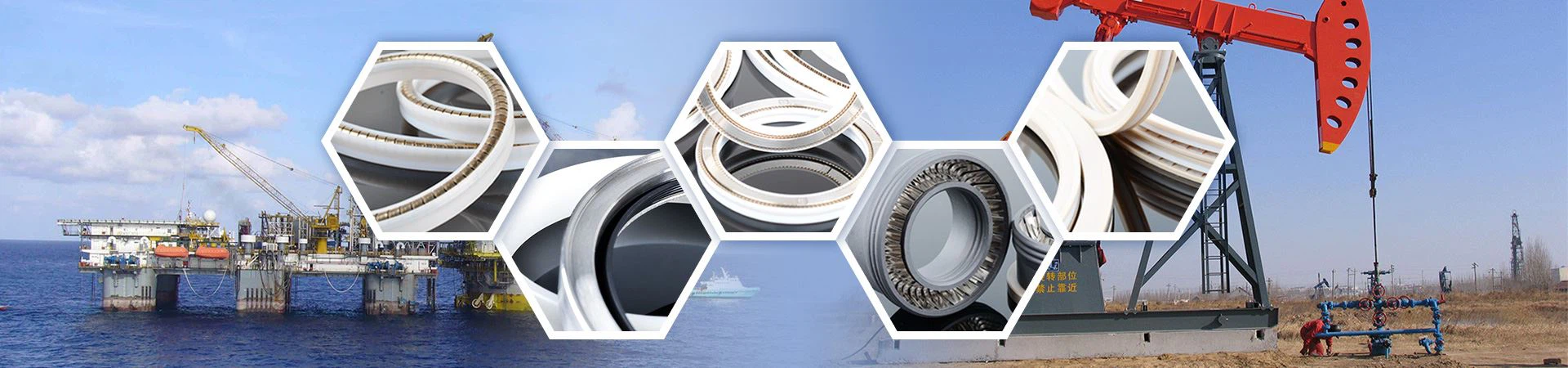
Rocket propulsion Filling Systems
LNG Compressors
Cryogenic Valves Stem Seals
Cryogenic Butterfly Seat Seals
Cryogenic Transfer Pumps
LNG Fueling Systems
Petroleum
Scientific Instrumentation
Specialty Gas Manufacturing
Spring energized seal:
The HS seal is made of a helical wound spring and a polymer jacket, which is mainly used as a Flange outer face seal.
The polymer jacket's material includes PTFE,TFM, PCTFE, etc.
The helical wound spring's material includes Stainless Steel, Elgiloy, Hast Alloy, etc.
When the pressure is more than 900LBS, an anti-extrusion ring is required;

Advantages:
1. Material compound passed API 6A FF/HH Immersion Testing;
2. Easy installation;
3. NACE approved energizers available for oil and gas use;
4. Wide range of cross-sections and diameters available,especially for the bigger cross section;
5. Good sealing performance at ultra low temperature;
6. Bi directional design works better in the high pressure application.

Hot Tags: Seals for Cryogenic Ball Valve, manufacturers, suppliers, factory, customized, Helicoil Spring Energized Seal, custom seal, seal for compressors, sealing technology, industrial sealing products, high pressure seal